How to remove mold from attic insulation safely
Moldy attic insulation is a health hazard and a sign of a moisture problem. Here's how to remove it safely in Newport Coast, California-and when to call a pro.
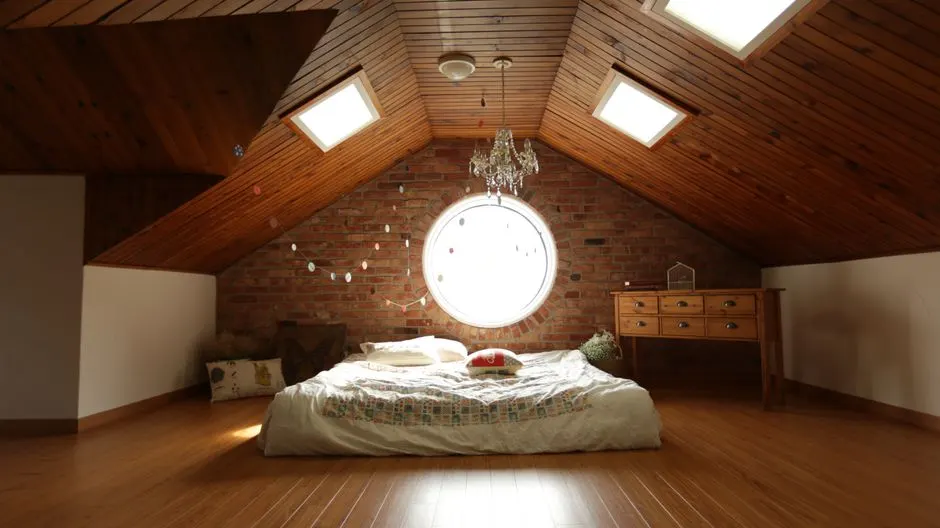
To remove mold from attic insulation safely, you must first stop the moisture source, then remove and bag the contaminated insulation without spreading spores, treat the attic surfaces with an antimicrobial, and replace the insulation only after the attic is dry. In Newport Coast, California, where marine layer humidity and occasional roof leaks create ideal mold conditions, this usually means a two-day job for a pro and a full weekend for a careful DIYer. This guide walks you through each step, the safety gear you need, and the point at which calling a professional is the smarter move.
Why mold grows in attic insulation
Mold grows in attic insulation when moisture accumulates and stays above 60% relative humidity for more than 48 hours. In Newport Coast, the usual culprits are roof leaks, inadequate attic ventilation, and warm indoor air escaping through ceiling gaps during cool nights-a pattern we see often in the canyon and bluff-top homes where temperature swings are sharp.
Insulation itself doesn't feed mold, but it traps dust, cellulose fibers, and organic debris that do. Once spores land on damp fiberglass or cellulose, they colonize within days. The mold you see on the surface is only part of the problem; spores settle deep in the batting, which is why surface cleaning rarely solves it.
Is moldy attic insulation dangerous?
Moldy attic insulation is dangerous when spores enter living spaces through ceiling penetrations, HVAC returns, or gaps around recessed lights. The most common health complaints are allergic rhinitis, coughing, and eye irritation; people with asthma or compromised immune systems face higher risk. Not all attic mold is toxic black mold, but any growth at this scale warrants removal.
Beyond health, mold degrades insulation performance. Wet fiberglass loses R-value, and cellulose can break down entirely. A 2026 study from the California Building Performance Institute found that mold-contaminated insulation can lose up to 40% of its insulating value, driving up energy bills.
Can you clean moldy attic insulation or must it be replaced?
You cannot effectively clean moldy attic insulation; it must be removed and replaced. Porous materials like fiberglass batts and blown-in cellulose trap spores below the surface, and no vacuum or spray reaches them all. The CDC and EPA both recommend discarding porous materials with visible mold growth.
The only exception is a very small area-under 10 square feet-of surface mold on foil-faced or rigid insulation, which can sometimes be scrubbed with an antimicrobial. For anything larger, plan on attic mold testing and removal in NEWPORT COAST, California to confirm the extent before you start tearing out insulation.
Safety gear and prep before you start
Before you touch the insulation, set up containment and put on the right protective gear. Mold spores become airborne the moment you disturb the batting, and without containment they will migrate into your living space.
- N95 or P100 respirator fitted and seal-checked (not a dust mask).
- Disposable Tyvek suit with hood, plus nitrile gloves and sealed goggles.
- 6-mil plastic sheeting and contractor tape to seal the attic hatch and any HVAC returns.
- HEPA vacuum rated for mold spores (not a shop vac without HEPA).
- Heavy-duty 6-mil contractor bags for double-bagging debris.
Seal the attic hatch from the living space with plastic and tape before you open it. Set up a negative air machine if you have one; otherwise, place a box fan in a window blowing outward to create negative pressure. This keeps spores from drifting into bedrooms and hallways.
Step-by-step: how to remove mold from attic insulation safely
Follow these steps in order. Skipping the moisture fix guarantees the mold returns within months.
1. Find and fix the moisture source
Look for roof leaks, failed flashing, clogged soffit vents, and bathroom exhaust fans venting into the attic instead of outdoors. In Newport Coast, we also check for condensation on cold roof decking during marine layer mornings. Fix every leak before you remove insulation; otherwise, you're wasting your time.
2. Set up containment
Seal the attic hatch and any returns with plastic. Lay plastic on the attic floor to catch debris. Create negative pressure with a fan or air scrubber. This step is non-negotiable for safe attic mold removal.
3. Remove and bag the insulation
Starting from the farthest corner, roll or scoop insulation into double bags. Do not shake or compress it-that releases spores. Work backward toward the hatch. For blown-in insulation, use a HEPA vacuum with a wide nozzle to extract it. Bag everything and seal each bag with tape before carrying it out.
4. HEPA-vacuum and treat the attic surfaces
Once the insulation is out, HEPA-vacuum the entire attic floor, joists, and roof decking. Then apply an EPA-registered antimicrobial to all surfaces. Fogging is effective for reaching crevices; we use mold fogging treatment in NEWPORT COAST, California for this step because it penetrates wood grain and framing joints.
5. Dry the attic and verify
Run dehumidifiers and fans until moisture readings drop below 15% on a pin meter. Do not install new insulation until the attic is completely dry. A moisture meter costs about $50 and is worth every penny.
6. Replace insulation and restore ventilation
Install new insulation to the current California Title 24 standard-typically R-38 to R-49 for attics in this climate zone. Make sure soffit vents are clear and baffles are in place. If your roof lacked ventilation before, add a ridge vent or solar-powered attic fan.
Common mistakes to avoid
The most common mistake is removing insulation without fixing the moisture source-mold returns within one season. The second is using a regular shop vac, which blows spores back into the air. The third is skipping containment, which spreads mold to the living space.
Other pitfalls: not replacing insulation after treatment (spores remain in the batting), using bleach on attic framing (it doesn't penetrate wood and corrodes metal fasteners), and ignoring HVAC ducts that run through the attic-mold can colonize duct insulation and spread spores every time the system runs.
When to call a professional
Call a professional when the mold covers more than 10 square feet, when you suspect toxic black mold, when the attic has poor access or safety hazards, or when you've already tried DIY and the mold returned. We handle mold remediation near me in NEWPORT COAST, California with containment, HEPA filtration, and post-remediation verification so you know the job is done.
Our team also inspects the entire envelope-roof, vents, HVAC-to find every moisture path. If you're unsure about the scope, start with a mold inspection near me in NEWPORT COAST, California to get a clear picture before you spend money on removal.
Frequently asked questions
Can I remove mold from attic insulation myself in Newport Coast, California?
Yes, for small areas under 10 square feet with proper PPE and containment. For larger growth or any suspicion of black mold, hire a pro-DIY risks spreading spores and missing hidden mold.
Do I need to replace attic insulation with mold in Newport Coast?
Yes. Porous insulation cannot be cleaned effectively; it must be removed and replaced. Replacing it without fixing the moisture source will lead to mold returning within months.
How much does attic insulation mold removal cost in Newport Coast, California?
Typical 2026 pricing ranges from $1,500 to $4,500 for removal and replacement of attic insulation, depending on square footage and access. Remediation-only (no replacement) runs $800 to $2,500.
Is moldy attic insulation dangerous in Newport Coast?
It can be. Spores entering living spaces trigger allergies and asthma. Toxic black mold is less common but possible. Any mold growth in insulation should be removed promptly.
Get help with Mold Remediation Service in Newport Coast
If you're facing moldy attic insulation and want it handled safely, our team at Mold Remediation Service Newport Coast is ready to help. We handle everything from inspection to post-remediation testing, so your attic is dry, clean, and properly insulated. Call us at (833) 929-5837 to schedule your assessment.