Lab-backed findings, thermal imaging, and a written scope you can act on.

Black mold inspection in NEWPORT COAST, California

A black mold inspection in NEWPORT COAST, California starts with a question: is that dark staining on your drywall actually Stachybotrys, or just dirt and condensation? We answer it with a moisture meter, a thermal imaging camera, and air samples sent to an accredited lab. Coastal homes from Crystal Cove to Pelican Hill run humid enough that a small roof leak turns into visible growth in under two weeks. We find it, document it, and tell you exactly what it takes to clear it.

↗
Fast online booking

Request service today

Tell us what is happening. Our local team will confirm your visit shortly.

No spam. No obligation. Just practical help.
Thanks — we'll call shortly to confirm your visit.
Professional Black Mold Inspection in NEWPORT COAST
Careful work. Honest options.
About this service

What a black mold inspection in NEWPORT COAST, California covers

A black mold inspection in NEWPORT COAST, California is a diagnostic service that locates active mold growth, traces it back to the moisture source feeding it, and documents the extent with photos, moisture readings, and lab results. We do not guess from a smell. We map the building envelope, check every supply and drain line, and read relative humidity room by room. When we find growth, we identify the genus where sampling supports it, including stachybotrys inspection NEWPORT COAST California homeowners ask about after a slow leak behind a vanity.

Coastal Canyon and Buck Gully homes sit in a marine layer that keeps exterior walls damp well into the morning. Add a failed window flashing or a drip pan that overflows once a season, and you have the two conditions mold needs: food and water. That is why a toxic mold inspection NEWPORT COAST property owners schedule after a musty odor usually turns up more than one wet zone. We see it in crawl spaces, attic sheathing, and behind refrigerator cabinets more often than on open bathroom tile.

  • ✓ Stops guesswork
  • ✓ Protects the sale
  • ✓ Finds the source, not just the stain
  • ✓ Gives you a clearance baseline
What's included

What is included in the inspection

The base inspection covers the diagnostic work and the written report. Sampling is priced per sample, and we tell you how many you need before we collect any. Nothing gets added to the invoice after the fact.

✓

Full moisture mapping

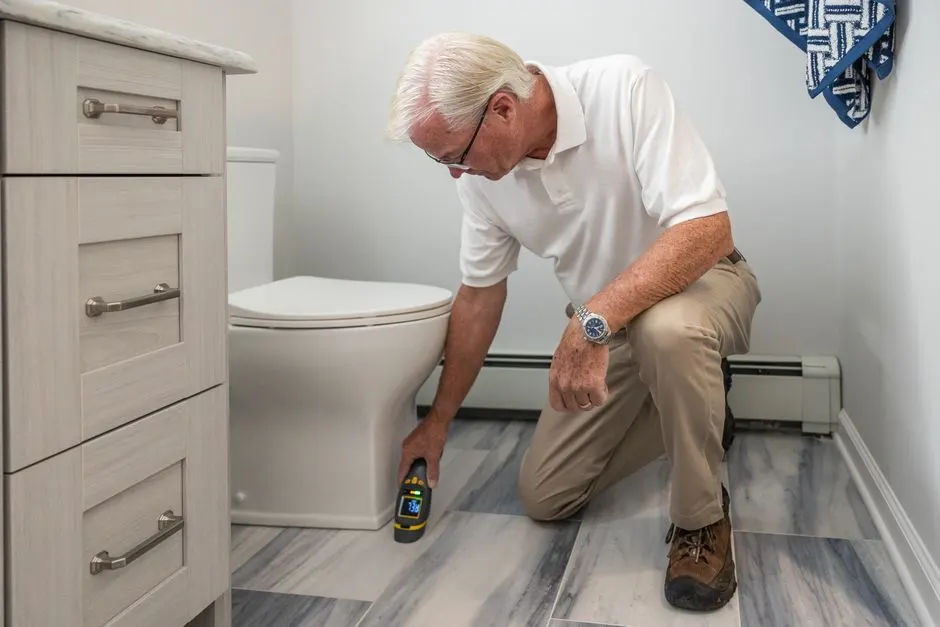
We read moisture content on drywall, framing, and subfloor with a moisture meter, room by room, and record the percentages in the report. Thermal imaging supplements the meter in finished areas where probing would cause damage.

✓

Attic and crawl space access

Both spaces get inspected when access is safe. Attic sheathing staining and crawl space joist growth are the two most common findings in Newport Coast homes, and neither is visible from the living space.

✓

Photo documentation

Every finding is photographed with a reference point so you can see exactly what we saw. Photos are embedded in the report and labeled by location, which makes it easy to hand the document to a contractor or an adjuster.

✓

Lab analysis with outdoor control

Air samples and surface samples are analyzed by an accredited lab for genus and spore count. Every indoor air sample is paired with an outdoor control so the results are interpreted against real background levels, not a generic threshold.

✓

Written scope and recommendations

The report separates active growth from maintenance items and lays out what remediation would involve if needed. You get a document you can bid from, not a verbal summary you have to remember.

How it works

What to expect during your inspection

01

Phone intake

We ask what you are seeing or smelling, where it started, and whether there has been a leak, flood, or HVAC issue. That call takes 10 minutes and lets us load the right equipment. If you have a prior inspection report or a contractor's note, send it over before we arrive.

02

Walkthrough and moisture mapping

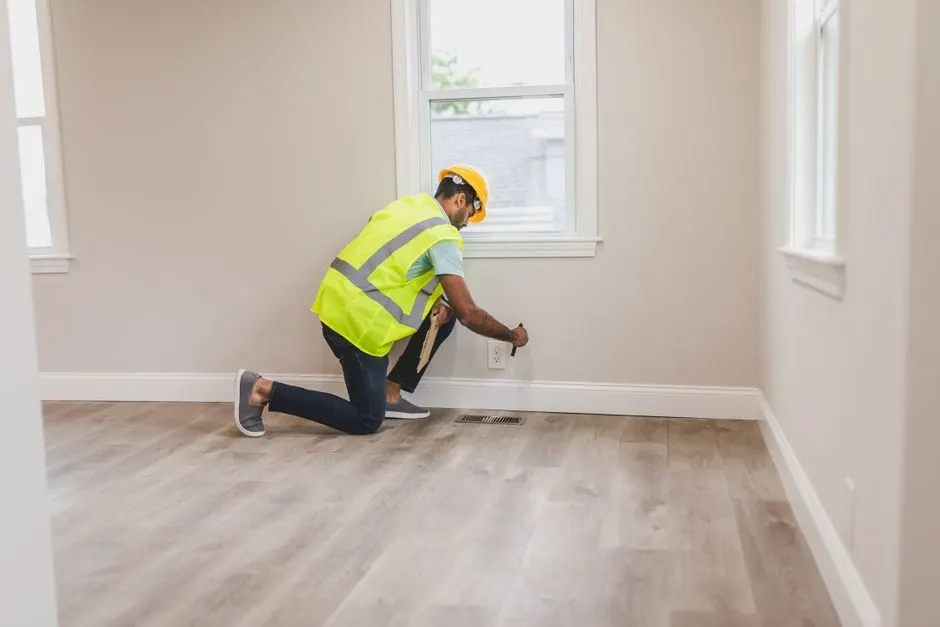
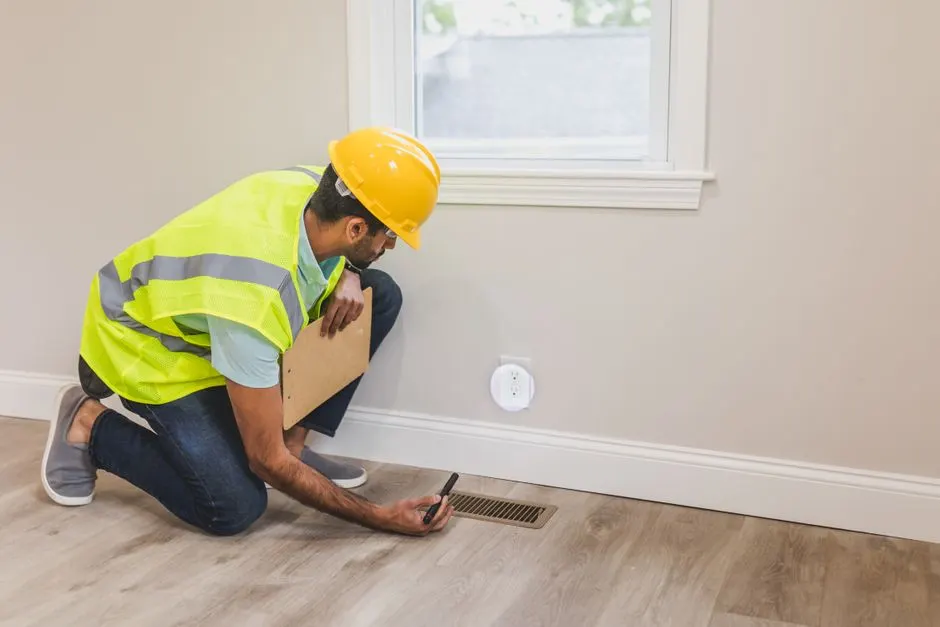
We start at the source area and work outward, checking baseboards, ceiling corners, cabinet backs, and the crawl space access. A moisture meter gives us percentage readings on drywall and framing, and the thermal imaging camera shows temperature differences that reveal wet spots behind finished surfaces.

03

Sampling where it counts

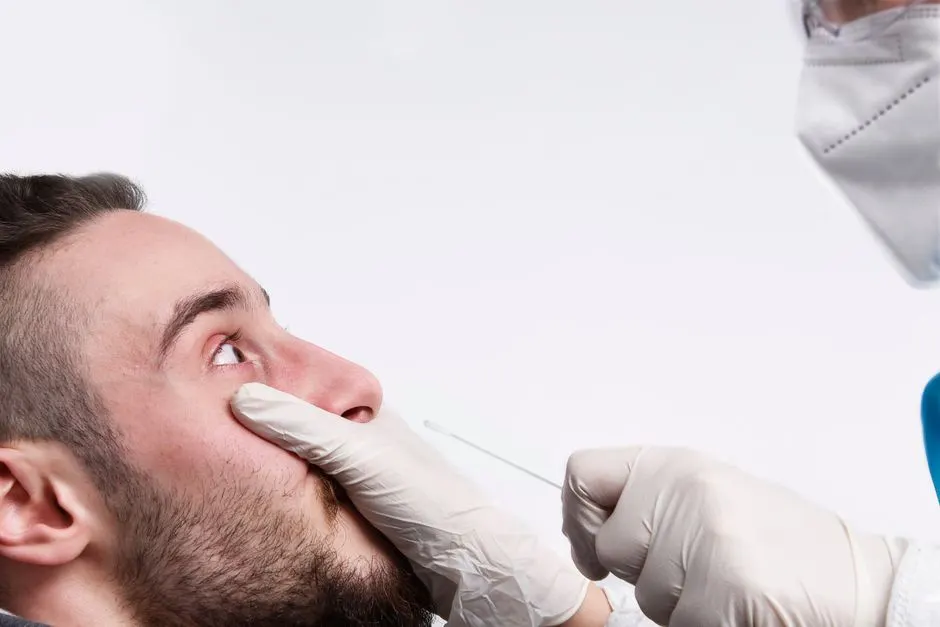
Visible growth gets a surface sample or a tape lift. Suspect areas with no visible growth get an air sampling pump running for 5 to 10 minutes per room, plus one outdoor control. Samples go to an accredited lab, and results typically come back in 2 to 5 business days.

04

Written findings

You get a report with photos, moisture readings, lab results, and a plain-language summary of what is growing, where, and what is feeding it. We flag what needs remediation and what is a maintenance item, so you are not paying to treat a windowsill that just needs a better exhaust fan.

05

Scope and next step

If remediation is warranted, we walk you through the scope: containment, negative air, HEPA vacuuming, removal of affected drywall, and clearance testing. You get pricing before any work begins, and you decide the timeline. No pressure and no same-day upsell.
Tools & methods

Equipment and standards we use

Purpose-built equipment, used by trained technicians — so the job is done accurately the first time.

Thermal imaging camera

Reveals temperature differences behind finished surfaces that indicate trapped moisture, without opening a wall. We use it to target where to meter and where to sample.

Moisture meter

Gives percentage readings on drywall, framing, and subfloor. Anything above 16 percent on wood is a condition that supports growth, and we record every reading in the report.

Boroscope camera

Looks inside wall cavities and ductwork through a small access hole. It confirms growth behind finished surfaces before anyone commits to demolition.

Air sampling pump

Pulls a known volume of air through a spore trap for lab analysis. We run it 5 to 10 minutes per room and pair every indoor sample with an outdoor control.

Dri-Eaz and Phoenix Restoration drying equipment

Dehumidifiers and air movers used when an active water event is found during the inspection. Starting the dry-out immediately prevents the problem from getting worse while samples are at the lab.

HEPA vacuum and negative air machine

Used during any sampling or minor disturbance to keep spores from spreading. On remediation jobs, the negative air machine maintains containment pressure until clearance passes.

Real results

Before and after.

Guest bath wall cavity, Crystal Cove

Before

A musty odor in the hallway with no visible growth. Two prior contractors had called it nothing. The moisture meter read 22 percent behind the guest bath wall, and a boroscope showed dark growth on the back of the drywall paper.

After

Lab analysis confirmed Stachybotrys. We scoped removal of 32 square feet of drywall, HEPA vacuuming of the cavity, and antimicrobial treatment of the framing. Post-remediation air samples came back at outdoor control levels.

Attic sheathing, Newport Ridge

Before

A homeowner noticed dark staining on the attic sheathing above the primary bath. The bath fan was venting directly into the attic, dumping moisture into an unventilated space for years. Wood moisture content on the trusses read 19 percent.

After

We scoped HEPA vacuuming of the affected sheathing and trusses, antimicrobial treatment, and rerouting the fan duct through the roof. Clearance sampling confirmed spore counts had returned to background.

Crawl space joists, San Joaquin Hills

Before

A pre-listing inspection found white and black growth on the crawl space joists and subfloor. Soil was damp, no vapor barrier was present, and wood moisture content read 21 percent across multiple joists.

After

We scoped installation of a 6-mil vapor barrier, correction of the grading that was pushing water toward the foundation, and antimicrobial treatment of the framing. Moisture content dropped below 14 percent within two weeks.

Problems we solve

Problems our black mold assessment in Newport Coast solves

Most calls start with one of these four situations. Each one has a different diagnostic path, and each one gets a different scope.

Ask a pro →
01

Musty odor with no visible growth

We use a boroscope camera to look inside wall cavities without demolition, then run air samples in the affected rooms and at the air handler. If the plenum is contaminated, we scope duct cleaning alongside the remediation.

↗
02

Dark staining on drywall after a leak

We meter the board and the framing behind it, sample the staining, and determine whether the affected section needs removal. If it does, the scope specifies exactly how many square feet come out and how the containment is built.

↗
03

Attic sheathing turning black

We document the extent on the sheathing and trusses, identify the venting problem, and scope the correction. Remediation typically includes HEPA vacuuming, antimicrobial treatment, and rerouting the fan duct to the exterior.

↗
04

Crawl space joists with white or black growth

We measure wood moisture content, sample the growth, and scope a fix that includes a vapor barrier, corrected drainage, and antimicrobial treatment of the framing before new insulation goes back in.

↗
Proof you can check

Credentials and reviews

✓
IICRC WRT (Water Restoration Technician)Institute of Inspection, Cleaning and Restoration Certification
✓
IICRC AMRT (Applied Microbial Remediation Technician)Institute of Inspection, Cleaning and Restoration Certification
✓
ACAC CMI (Certified Mold Inspector)American Council for Accredited Certification
✓
ACAC CMR (Certified Mold Remediator)American Council for Accredited Certification
✓
EPA Lead-Safe CertificationU.S. Environmental Protection Agency
Good questions

Frequently Asked Questions

(833) 929-5837 →

Most inspections run $350 to $750 in 2026, depending on square footage and how many air samples you need. A single-room assessment with one air sample and one outdoor control sits at the low end. A full-home inspection with crawl space and attic access, plus four or five samples, lands at the top. Lab fees are included in that range, and you get pricing before we start.

Stachybotrys and other black-pigmented molds produce mycotoxins, and prolonged exposure can trigger respiratory irritation, headaches, and worsened asthma. The risk scales with how much growth is present and how long it has been wet. A small patch behind a baseboard is a different problem than 40 square feet inside an HVAC plenum. That is why we sample and measure rather than eyeball it.

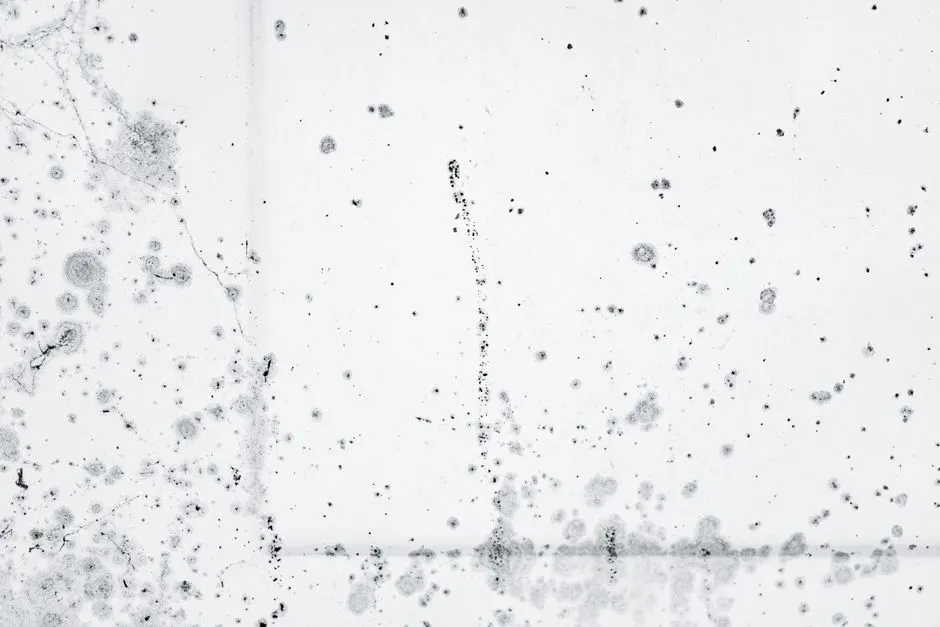
It usually shows as dark greenish-black speckling or larger blotches with a slightly fuzzy or slimy texture, often ringed by water staining. On drywall it clusters near seams and corners. On framing lumber it follows the grain. It is easy to confuse with dirt, soot, or cosmetic mildew, which is exactly why a surface sample or tape lift is worth the lab fee.

Air testing is included when the scope calls for it, and we recommend it whenever there is a musty odor with no visible growth or when the inspection is for a real estate transaction. A standard inspection includes moisture mapping and visible assessment. Air samples with an outdoor control add $75 to $150 per sample and take 2 to 5 business days for results.

Ready when you are

Schedule your black mold inspection in NEWPORT COAST, California

We answer the phone around the clock, schedule same-day when you call before noon, and deliver a written report with lab results in 2 to 5 business days. One call gets you a real answer about what is growing in your home and what it takes to clear it.

Book Inspection (833) 929-5837 →
Request an appointment

Contact Our Newport Coast Mold Team

Call (833) 929-5837 any time, day or night. We answer live, schedule inspections same-day when possible, and send a written scope before work starts. If you prefer email, send photos of the affected area to info@moldremediationservicenewportcoast.com and we will follow up with next steps.

Request received — our team will be in touch shortly.
Tap to call(833) 929-5837