Musty odor with no visible mold
We use a boroscope camera and air sampling to find the source inside cavities and ductwork. Once we know where it is, the fix is targeted instead of exploratory demolition.
A home mold inspection in NEWPORT COAST, California, is the fastest way to confirm whether that musty smell or ceiling stain is active mold growth. We inspect attics, crawl spaces, bathrooms, and HVAC systems with thermal imaging and moisture meters, then hand you a clear written report. If you need a residential mold inspection in NEWPORT COAST, we can usually get eyes on the problem the same day you call.
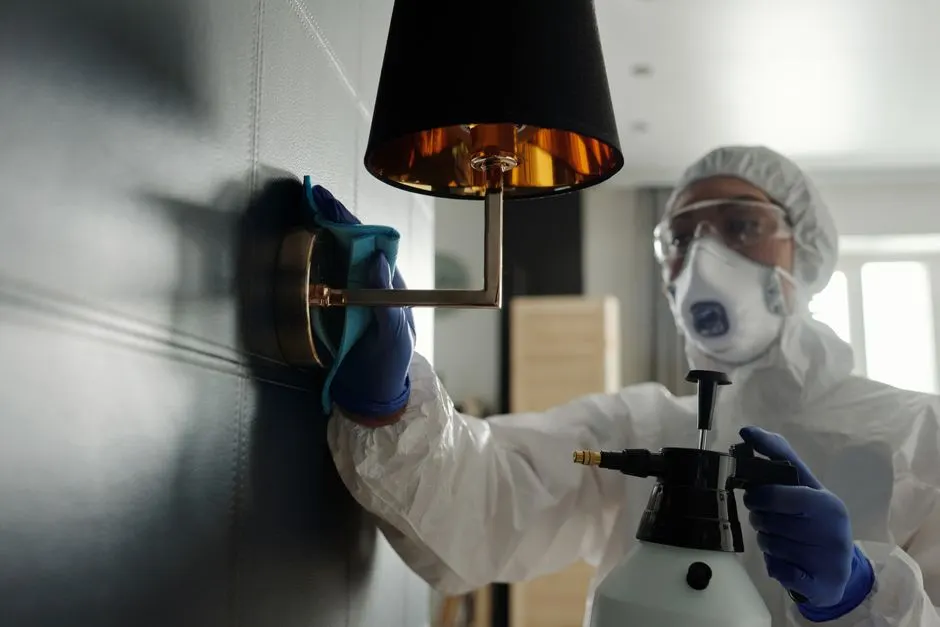
A home mold inspection in NEWPORT COAST, California is a systematic, non-destructive evaluation that locates moisture sources, confirms active mold growth, and tells you how far it has spread. We start at the exterior envelope and work inward: roof penetrations, window flashing, supply lines, drain lines, and the vapor barrier under the house. Inside, we read moisture content with a meter, scan walls and ceilings with a thermal imaging camera, and pull air samples through an air sampling pump when the visual evidence is ambiguous. You get photos, moisture readings, and a lab result, not a guess.
Coastal homes here sit in a marine layer that keeps relative humidity high through spring and early summer, and that is exactly the condition mold needs. We routinely find crawl space mold under homes near Buck Gully and attic mold above Pelican Crest, where warm interior air meets a cool roof deck. If you have had a slab leak, a failed water heater pan, or a bathroom exhaust fan venting into the attic, a residential mold inspection NEWPORT COAST homeowners trust is the right first call. We also handle home mold inspection for real estate NEWPORT COAST transactions when a buyer or seller needs documentation before closing.
Every inspection includes a full visual walk-through, moisture metering, thermal imaging, and a written report. Air and surface sampling is included when the visual evidence calls for it. Remediation, if needed, is quoted separately after the inspection so you can decide with the facts in hand.
We inspect the roof, flashing, window and door penetrations, and stucco for water intrusion points. Most interior mold starts with an exterior leak, so this step finds the source before we go inside.
Both spaces are included in every standard inspection. We check the roof deck for attic mold and the joists and vapor barrier for crawl space mold, and we photograph what we find.
A thermal imaging camera finds temperature anomalies behind drywall, and a pin-type moisture meter confirms whether the anomaly is wet. We take readings at every suspect wall, ceiling, and floor.
When visual evidence is ambiguous, we pull air samples with a calibrated pump and take surface swabs. Samples go to an accredited lab, and results come back in 24 to 48 hours with species and spore counts.
The report includes photos, moisture readings, lab results, and a prioritized scope of work. It is written to be handed to an insurer, a lender, or a real estate agent without further explanation.
We ask about the smell, the stains, any recent water event, and the age of the home. That call takes about ten minutes and lets us bring the right equipment. If you need a same day home mold inspection NEWPORT COAST California appointment, tell us on that call and we will fit you into the route.
Our inspector walks the exterior first, then the attic, then the crawl space, then the living space. We take moisture meter readings at every suspect wall, ceiling, and floor, and we photograph everything. Expect 60 to 90 minutes for this phase on a typical 2,500-square-foot home.
We scan with a thermal imaging camera to find temperature anomalies behind drywall, then confirm with a pin-type moisture meter. If the visual evidence is unclear, we run air samples through an air sampling pump and take a surface swab. That phase adds 30 to 45 minutes.
Samples go to an accredited third-party lab the same day. Results come back in 24 to 48 hours, and we call you with the findings before we send the written report. You will know the species and the spore count, not just a yes-or-no.
The report includes photos, moisture readings, lab results, and a prioritized scope of work. If remediation is needed, we quote it. If it is not, we tell you that too. You get a document you can hand to an insurance adjuster or a real estate agent.
Purpose-built equipment, used by trained technicians — so the job is done accurately the first time.
Finds temperature anomalies behind drywall and under flooring that indicate trapped moisture, even when nothing is visible on the surface.
Confirms whether a thermal anomaly is actually wet. We take readings at every suspect wall, ceiling, and floor and record them in the report.
Looks inside wall cavities, ductwork, and behind tile without demolition. It is how we confirm hidden growth before recommending any removal.
Draws a calibrated volume of air through a spore trap cassette for lab analysis. We compare indoor and outdoor counts to see whether indoor levels are elevated.
Used during sampling and any minor disturbance to keep spores contained. On remediation jobs, the air scrubber runs continuously inside containment.
Maintains negative pressure inside containment during remediation so spores do not migrate into clean areas of the house.
When the inspection finds active moisture, we can start drying immediately to stop mold from advancing while the remediation scope is finalized.
The homeowner noticed a musty smell in the upstairs hallway but no visible mold. The bathroom exhaust fan had been venting directly into the attic for years, and the roof deck above it was covered in dark growth.
We confirmed attic mold with surface sampling, then remediated the sheathing with HEPA vacuuming and antimicrobial treatment. The fan was re-routed through the roof. Post-remediation clearance passed on the first round.
After two wet winters, the homeowner noticed a musty smell on the first floor. The crawl space vapor barrier was torn in several places, and joists showed early mold growth with moisture readings above 20 percent.
We removed growth from the joists, treated the wood with an antimicrobial coating, and replaced the vapor barrier. Moisture readings dropped below 15 percent within a week, and clearance testing passed.
A pinhole leak in a supply line behind a bathroom wall had been dripping for months. The drywall looked fine, but a thermal camera showed a cold anomaly, and a boroscope confirmed active growth inside the cavity.
We removed the affected drywall and insulation under containment, treated the framing, and replaced the materials with mold-resistant drywall. The supply line was repaired, and clearance samples came back at normal levels.
Most mold calls start with one of a handful of symptoms. Here are the ones we see most often in Newport Coast homes, and what happens if they are ignored.
Ask a pro →We use a boroscope camera and air sampling to find the source inside cavities and ductwork. Once we know where it is, the fix is targeted instead of exploratory demolition.
We trace the stain to the roof penetration, meter the drywall and framing, and sample if growth is likely. The report tells you whether the fix is a patch or a larger removal.
We inspect the barrier, meter the joists, and sample any visible growth. If remediation is needed, we remove growth, treat the wood, and replace the barrier so the condition does not return.
We check the exhaust termination during the attic phase of the inspection. If the fan vents into the attic, we document it and include re-routing in the scope of work.
Most home mold inspections in Newport Coast run $350 to $750 in 2026, depending on square footage and how many samples we pull. A basic visual inspection with moisture readings sits at the low end; a full inspection with air sampling, cavity checks, and lab analysis sits at the high end. We quote the price before we start, so there is no surprise on the invoice.
Plan on two to four hours on site for a typical single-family home. A 1,500-square-foot condo with one suspect bathroom takes about two hours; a 4,000-square-foot house with attic, crawl space, and HVAC sampling takes closer to four. Lab results come back 24 to 48 hours after we submit the samples.
Expect a full walk-through of the exterior, attic, crawl space, and living space, moisture meter readings at every suspect area, thermal imaging where needed, and air or surface sampling if the visual evidence is unclear. You get a written report with photos, lab results, and a scope of work within two business days. The inspector explains findings on site before leaving.
Yes. Attic and crawl space access is part of every standard inspection, and those are the two places we find mold most often in Newport Coast homes. Attic mold shows up where exhaust fans vent into the roof deck; crawl space mold shows up where the vapor barrier is torn or missing. Both get photographed and moisture-mapped.
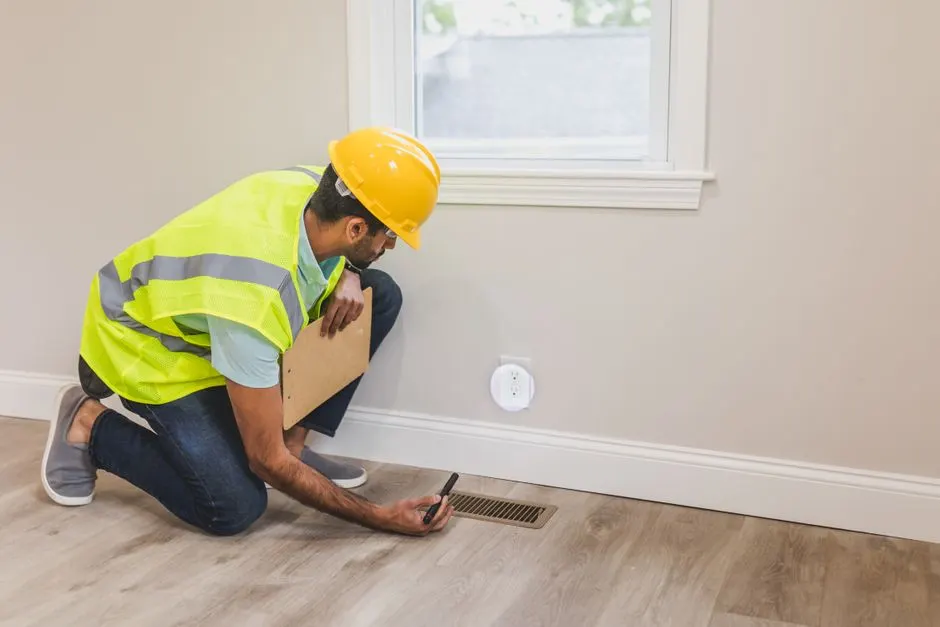 Mold Inspection Near MeIf you are searching for a mold inspection near me in Newport Coast, this is the same core service with an emphasis on fast dispatch. We route inspectors through Pelican Hill and Crystal Cove daily, so a call before noon usually means an afternoon appointment.Explore →
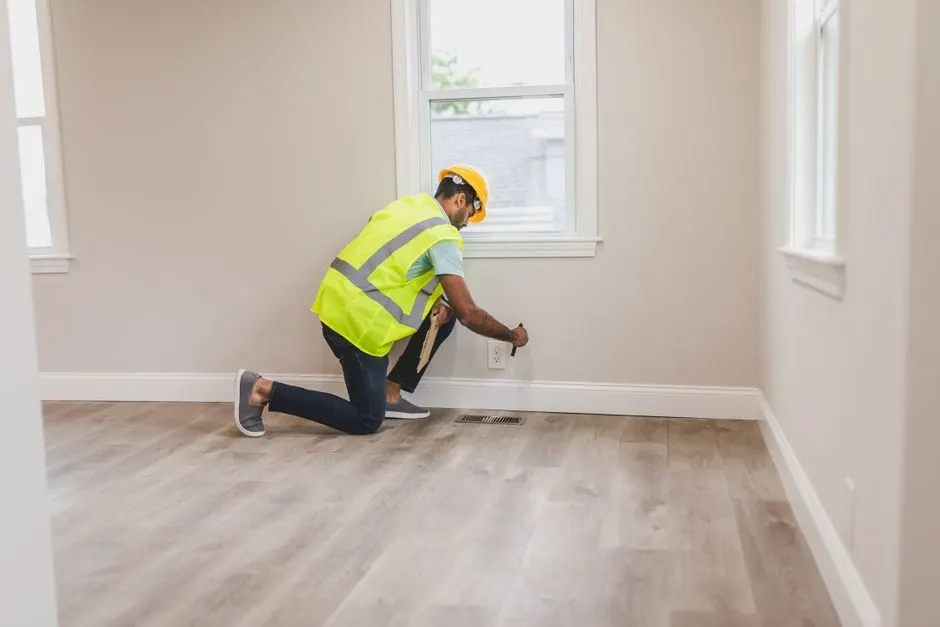 Mold InspectionOur general mold inspection covers visual assessment, moisture mapping, and sampling for homeowners who are not sure whether they need the full home mold inspection package. It is the right starting point when you have a smell but no visible growth.Explore →
 Mold TestingMold testing is the lab side of the inspection: air samples, surface swabs, and spore counts by species. We use it to confirm active growth and to establish a baseline before and after remediation. Results come back from an accredited lab in 24 to 48 hours.Explore →
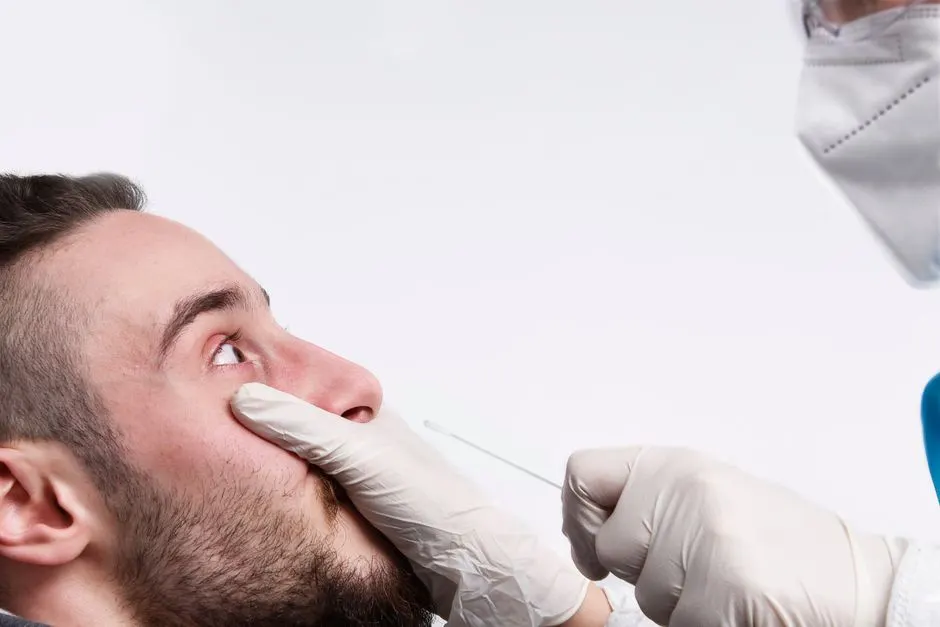 Mold Testing Near MeWhen you need mold testing near me in Newport Coast, we can often combine sampling with a visual inspection in a single visit. That saves a trip and gets you lab data the same week. Call and we will tell you which sample types fit your situation.Explore →
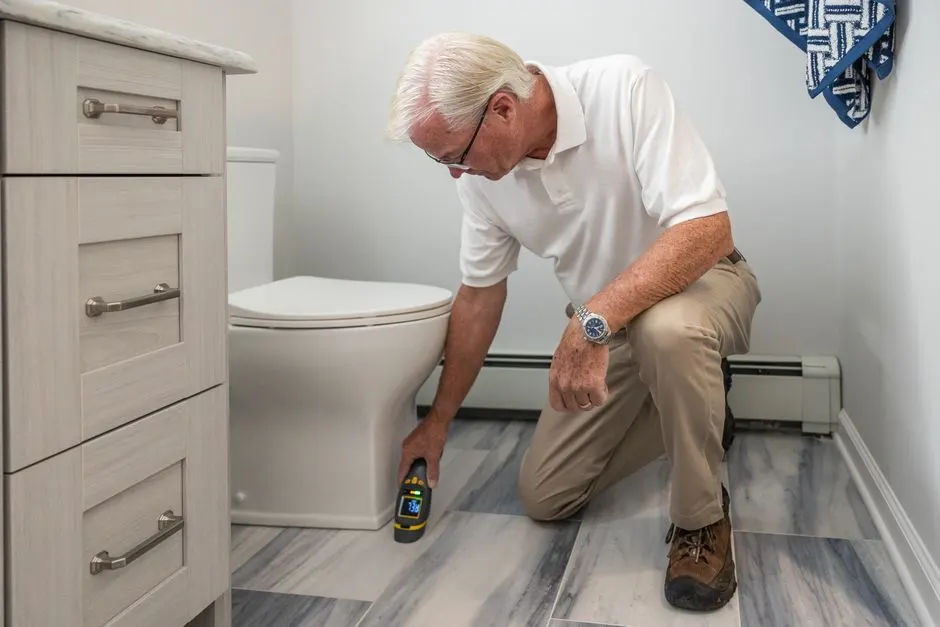 Certified Mold InspectorOur certified mold inspectors hold IICRC AMRT and WRT credentials, and ACAC CMI and CMR certifications are available for complex cases. If you need a credentialed inspector for an insurance claim or a real estate transaction, tell us on the intake call.Explore →
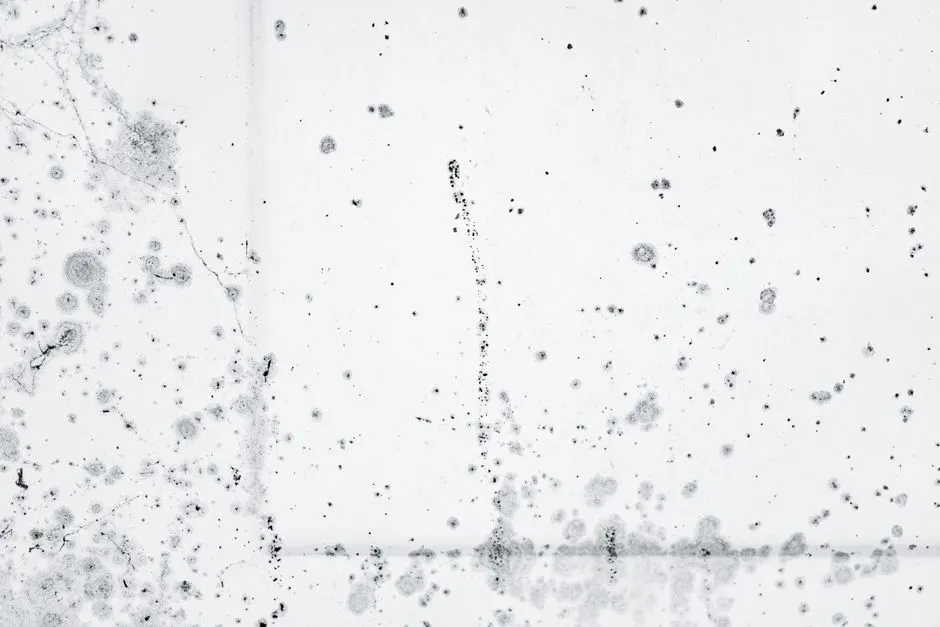 Black Mold InspectionBlack mold inspection focuses on Stachybotrys and other toxigenic species that need lab confirmation. Visual color is not a reliable identifier, so we sample and let the lab tell us what is actually growing. That matters when a homeowner or buyer is worried about toxic mold.Explore →
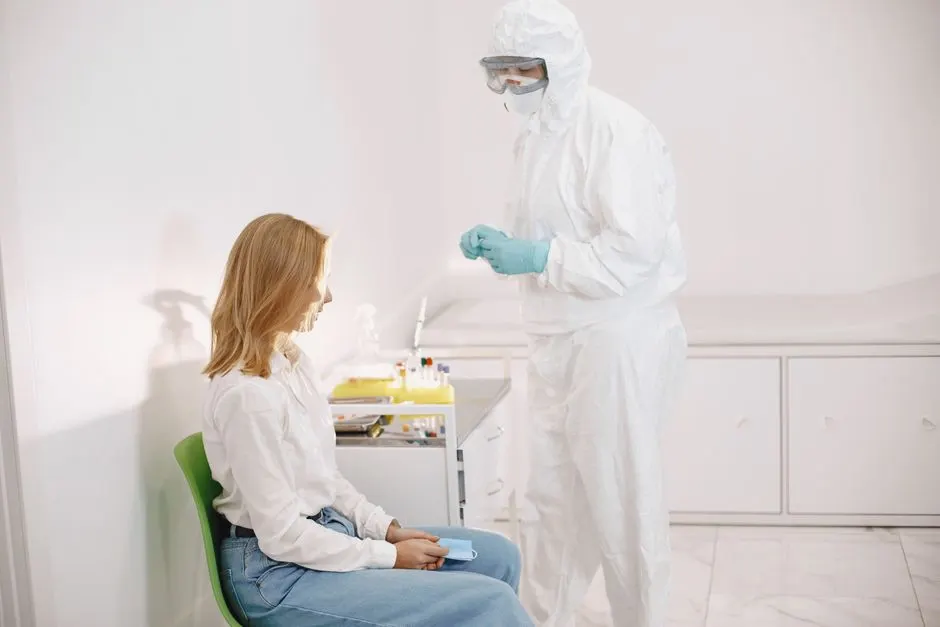 Residential Mold TestingResidential mold testing is built for occupied homes: we work around your furniture, contain our sampling areas, and leave the house as we found it. It pairs naturally with a residential mold inspection in Newport Coast when you want both visual and lab evidence.Explore →
 Commercial Mold InspectionCommercial mold inspection applies the same methods to offices, retail, and multi-family buildings, with documentation formatted for property managers and insurers. We handle after-hours access so tenants are not disrupted. Ask about our commercial scope when you call.Explore →
We answer the phone seven days a week and can usually get an inspector to your door the same day. Call (833) 929-5837 and tell us what you are seeing or smelling. We will quote the inspection before we start and put the findings in writing.
Book Inspection (833) 929-5837 →Call (833) 929-5837 any time, day or night. We answer live, schedule inspections same-day when possible, and send a written scope before work starts. If you prefer email, send photos of the affected area to info@moldremediationservicenewportcoast.com and we will follow up with next steps.