Musty odor in a lobby or office with no visible mold
We use a boroscope camera and thermal imaging camera to find the source inside the cavity, then sample the air to confirm. Once located, the fix is targeted instead of a full-floor tear-out.
A commercial mold inspection in NEWPORT COAST, California is the fastest way to know whether that musty smell in your lobby is a $400 air filter problem or a $40,000 drywall tear-out. We inspect offices, retail, restaurants, and HOA common areas across Newport Coast with thermal imaging cameras and moisture meters, then hand you a written report you can act on. Business mold inspection NEWPORT COAST owners can schedule same week.
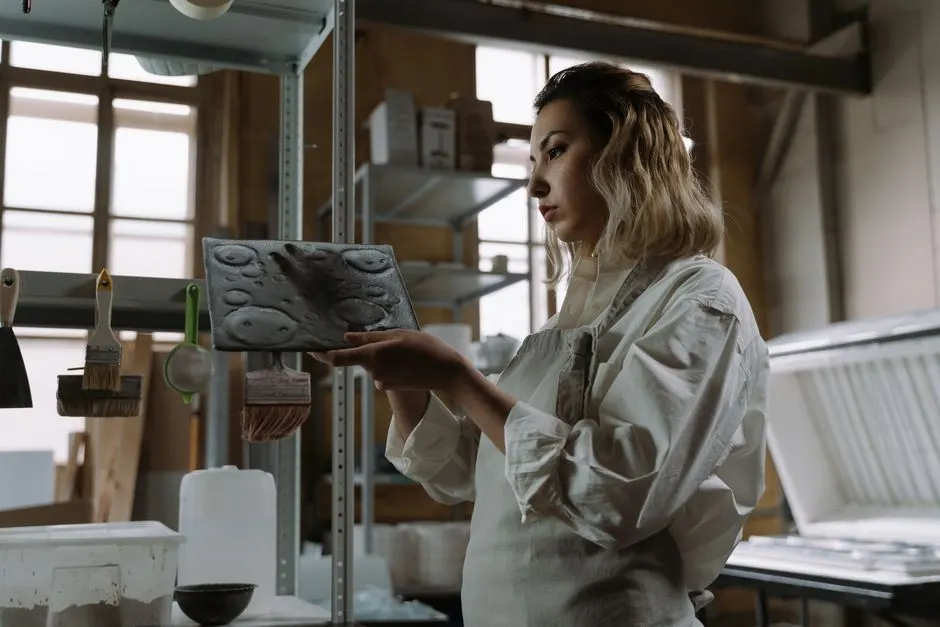
A commercial mold inspection in NEWPORT COAST, California is a non-invasive building survey that maps moisture sources, confirms active mold growth, and tells you how far it has spread before remediation starts. We walk the whole envelope: roof deck, attic, HVAC closets, restroom walls, kitchen lines, crawl spaces, and slab edges. A moisture meter and thermal imaging camera find the wet spots you cannot see, and a boroscope camera goes inside wall cavities where a flashlight never reaches. You get photos, moisture readings, and a written scope, not a sales pitch.
Coastal buildings here fail in predictable places. Marine air pushes indoor humidity past 60% for weeks at a time, irrigation lines weep behind stucco, and flat roofs pond water after a single storm. That is why office mold inspection NEWPORT COAST California requests spike every winter and again after June gloom. If you manage a restaurant or retail space, a business mold inspection near me NEWPORT COAST search usually means the smell is already reaching customers. We confirm the source, document it, and tell you what it takes to clear it.
Our standard commercial inspection covers the full building envelope and the systems most likely to spread contamination. Sampling is included when the evidence calls for it, and the written report is always part of the price.
Roof, attic, HVAC closets, restrooms, kitchen lines, crawl spaces, and slab edges. We map moisture readings on a floor plan so you can see exactly where the problems are.
A thermal imaging camera and moisture meter check every wall below plumbing and every ceiling below a flat roof. Hidden leaks show up as temperature anomalies before they stain drywall.
Air sampling pumps and surface swabs go to an accredited lab when growth is visible or the odor is unexplained. Results return in 24 to 48 hours with genus-level data.
A 12 to 20 page report with labeled photos, dated readings, lab results, and a scope separated from the findings. It is written for owners, insurers, and attorneys.
We call the same day the report is ready and walk you through it. You get a straight recommendation: monitor, clean, or remediate. No pressure either way.
We ask about the building, the complaint (odor, staining, a recent leak, a tenant complaint), and access. Ten minutes on the phone lets us bring the right gear and the right number of technicians. You get a flat inspection price before we schedule.
On site, we start at the roof and work down. Moisture meter readings go on a floor plan, and the thermal imaging camera checks every wall below plumbing, every ceiling below a flat roof, and every HVAC closet. Expect 2 to 4 hours for most spaces.
When growth is visible or the odor is unexplained, we run air sampling pumps and surface swabs. Samples go to an accredited lab, and results come back in 24 to 48 hours. This is what separates commercial mold testing NEWPORT COAST from a visual guess.
You receive a written report with photos, moisture readings, lab data, and a recommended scope. We walk you through it by phone the same day it is ready. If remediation is needed, the scope is specific enough to bid out.
If you hire us for the work, containment goes up, HEPA vacuum and air scrubber run, and post-remediation clearance testing confirms the space is clean. If you hire another contractor, the report still protects you. Either way, you are not guessing.
Purpose-built equipment, used by trained technicians — so the job is done accurately the first time.
Finds temperature anomalies behind drywall and above ceilings that indicate trapped moisture. It is the fastest way to locate a hidden leak without opening walls.
Confirms and quantifies moisture in drywall, framing, and concrete. Readings go into the report as dated data points you can compare year over year.
Goes inside wall cavities, duct interiors, and crawl spaces where a flashlight cannot reach. It is how we confirm growth in a cavity before recommending removal.
Draws a calibrated air volume onto a spore trap for lab analysis. Results give genus-level counts and a comparison to the outdoor control sample.
Dry wet assemblies after a leak is stopped. Drying before removal is what prevents a small leak from becoming a full remediation.
Creates negative pressure inside containment so spores do not migrate to occupied space during removal. Every remediation job runs at least one.
Removes settled spores from surfaces and framing without re-aerosolizing them. It is the last step before clearance testing on every job.
A storm-driven roof leak soaked a 600 sq ft section of dining room ceiling. The roof was patched but the ceiling was never opened, and within a week the musty odor reached the host stand. Air sampling showed elevated spore counts in the dining room compared to the outdoor control.
We contained the section with polyethylene sheeting and zipper doors, removed 600 sq ft of drywall and insulation, HEPA vacuumed the framing, and ran a negative air machine for 48 hours. Post-remediation clearance testing came back clean, and the restaurant reopened the following morning.
A 4,200 sq ft office suite had a persistent musty smell with no visible growth. Two prior contractors had cleaned the carpet and HVAC registers without resolving it. Thermal imaging showed a cold band behind the east wall, and a boroscope camera confirmed black mold growth on the sheathing.
We traced the moisture to a weeping irrigation line outside the wall. The line was repaired, 120 sq ft of drywall was removed under containment, and the cavity was HEPA vacuumed and treated with Concrobium. Lab results after clearance matched the outdoor control.
A professional suite had a musty smell that returned within days of every surface cleaning. The air handler cabinet showed visible growth on the insulation liner, and supply air sampling confirmed HVAC mold contamination distributing spores to four rooms.
We isolated the air handler, removed the contaminated liner, HEPA vacuumed and applied antimicrobial coating to the cabinet and coil, and replaced the HEPA filters. Post-remediation sampling showed supply air counts at or below outdoor levels in all four rooms.
Most commercial mold calls start with a complaint, not a stain. These are the four problems we hear most often, and what happens when they are left alone.
Ask a pro →We use a boroscope camera and thermal imaging camera to find the source inside the cavity, then sample the air to confirm. Once located, the fix is targeted instead of a full-floor tear-out.
Our inspection maps moisture in the ceiling assembly and samples the cavity. If growth is confirmed, we scope removal of the affected drywall and insulation with containment and negative air machine support.
We inspect the air handler, duct interiors, and coils, then sample the supply air. Remediation includes HEPA vacuum, air scrubber, and antimicrobial coating on the coil and cabinet.
We re-inspect, identify what was missed (usually containment gaps or contaminated framing), and document what the next scope needs to include. Our report gives you leverage with the original contractor or their insurer.
Most commercial inspections in Newport Coast run $450 to $1,200 in 2026, depending on square footage, how many air samples you need, and whether crawl spaces or attics are involved. A single-suite office with two air samples sits at the low end. A 10,000 sq ft restaurant with HVAC sampling and a crawl space sits at the high end. You get a flat price before we schedule.
Once a year is the baseline for coastal commercial buildings, and every 6 months for restaurants, gyms, and any space with a kitchen or locker room. Add an inspection after any roof leak, slab leak, or HVAC failure. Newport Coast humidity stays above 60% for weeks in summer, so annual checks catch wall-cavity growth before it reaches drywall.
Yes, when the inspection calls for it. Air sampling pumps and surface swabs are included in our standard commercial mold testing scope, and lab results come back in 24 to 48 hours. If the building has no odor and no visible growth, we may recommend a moisture-only inspection and save you the sampling fee. We tell you which one you need.
California does not license mold remediators separately, so the work is governed by building code, OSHA worker-protection rules, and California Department of Public Health guidelines. In practice that means containment with polyethylene sheeting and zipper doors, negative air machines with HEPA filters, and post-remediation clearance testing. We document each of those steps so your file is complete if a tenant or insurer asks.
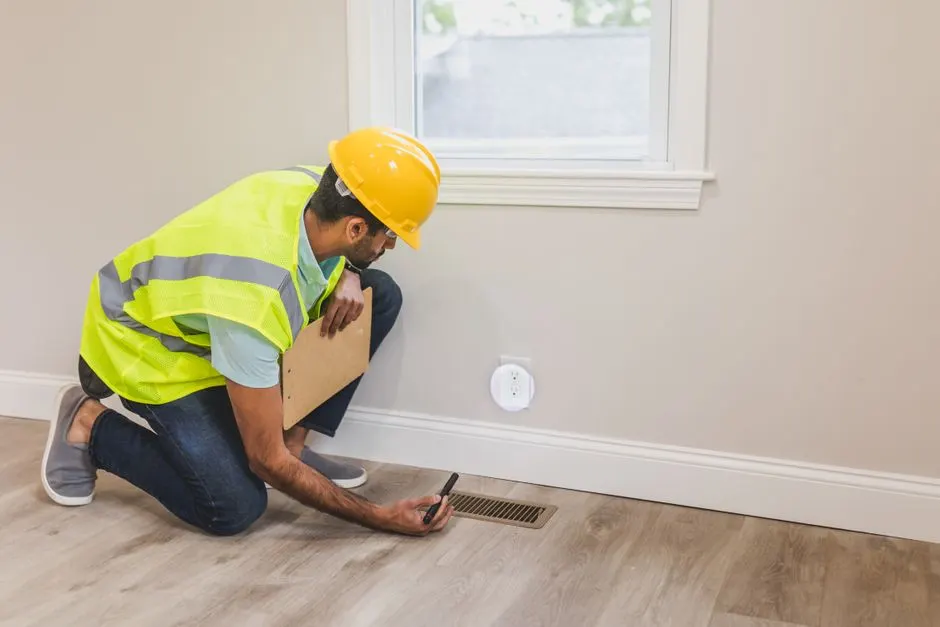 Mold Inspection Near MeIf you searched mold inspection near me in Newport Coast, start here. This is the same inspection service scaled for smaller commercial suites and mixed-use buildings, with the same thermal imaging and lab sampling.Explore →
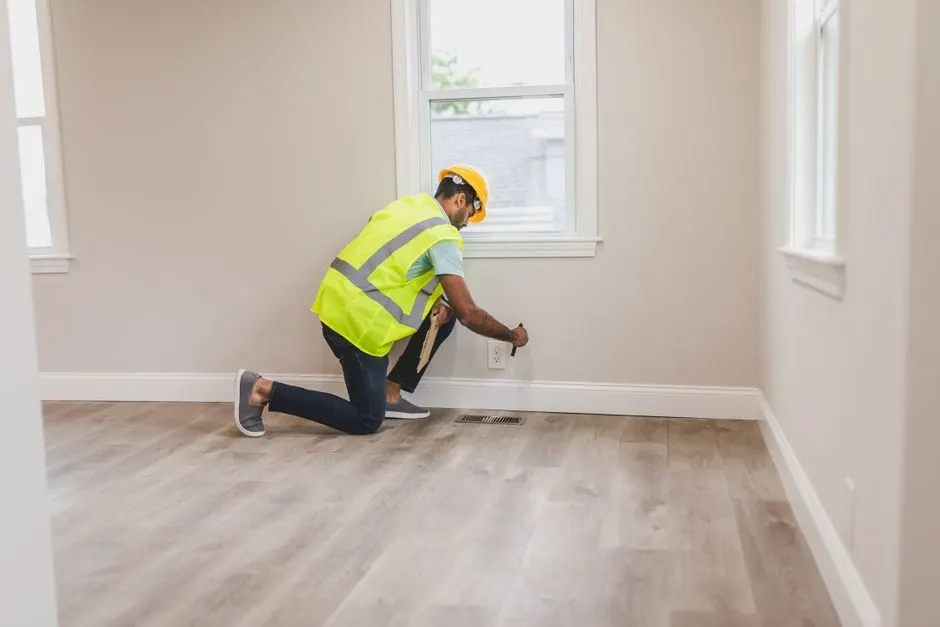 Mold InspectionOur general mold inspection covers visual assessment, moisture mapping, and sampling for any building type. Commercial clients often start here when they are not sure whether the problem is mold or just a wet wall.Explore →
 Mold TestingLab-based mold testing identifies genus and spore counts from air and surface samples. It pairs with every commercial inspection and is the evidence you need when a tenant or carrier disputes a finding.Explore →
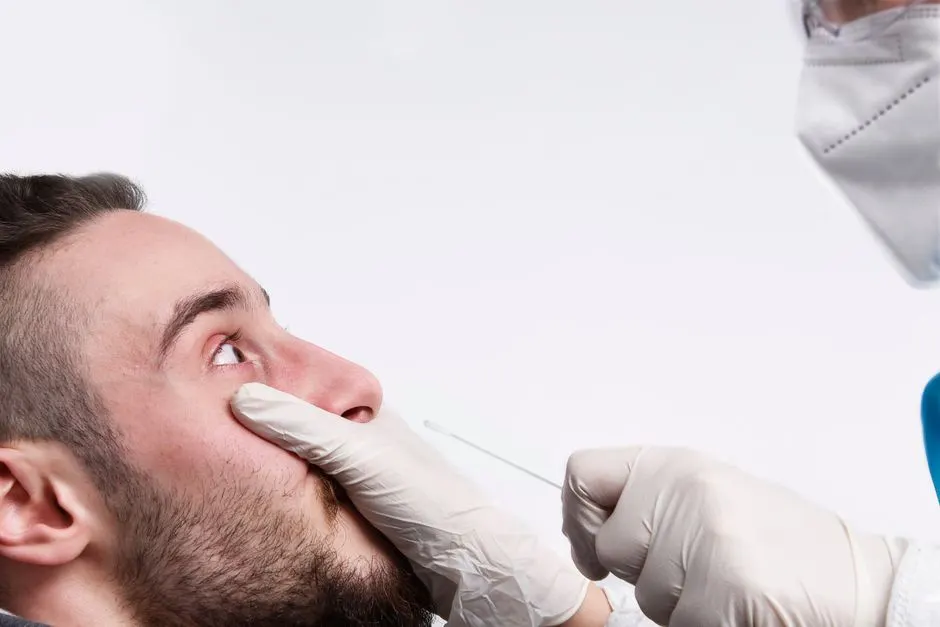 Mold Testing Near MeSame-week mold testing near me appointments are available across Newport Coast. Samples go to an accredited lab and results return in 24 to 48 hours, with a written interpretation.Explore →
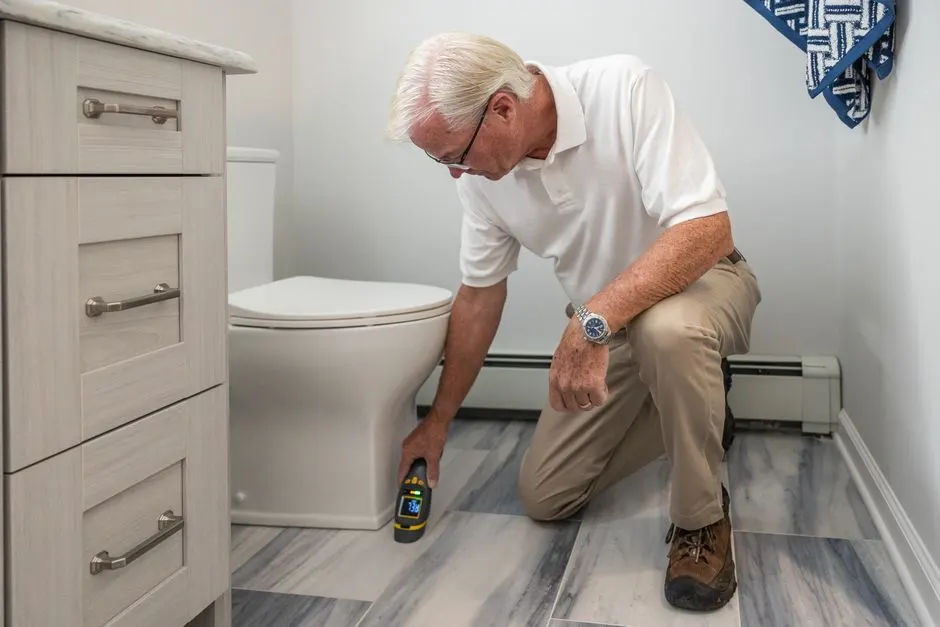 Certified Mold InspectorOur certified mold inspector holds IICRC AMRT credentials and follows California Department of Public Health guidelines. That matters when your report needs to stand up to a landlord, insurer, or attorney.Explore →
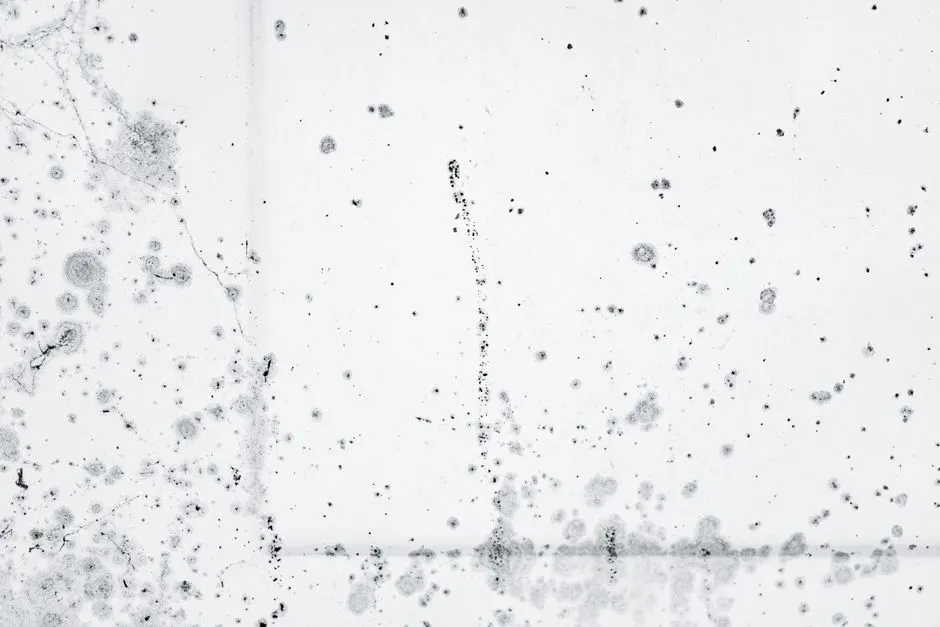 Black Mold InspectionBlack mold growth in a commercial space needs genus-level confirmation, not a guess. We sample, identify, and document so you know whether you are dealing with Stachybotrys or a harmless dark stain.Explore →
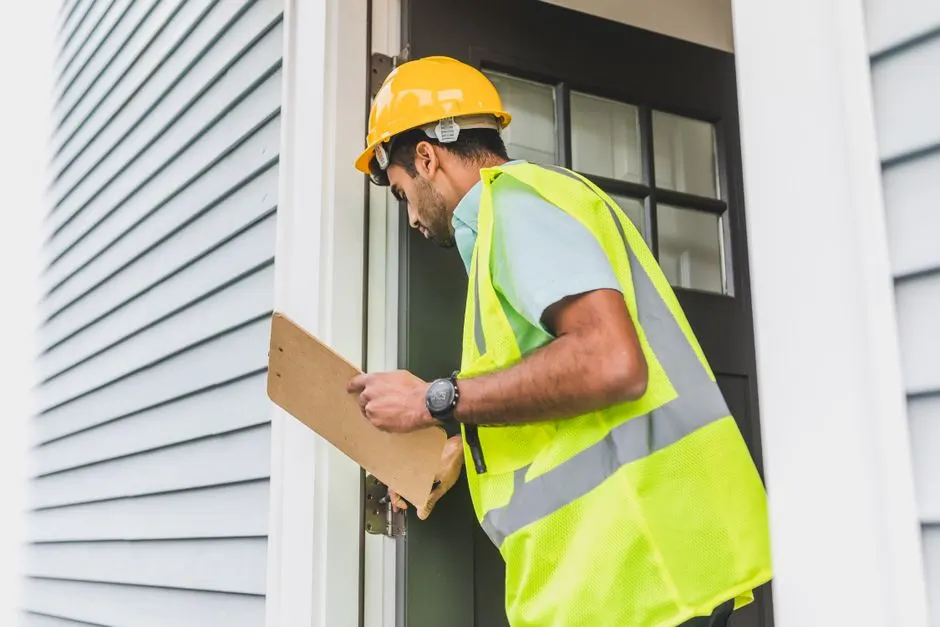 Home Mold InspectionResidential inspections use the same tools and lab work as our commercial service. Property managers who own both residential and commercial assets in Newport Coast often bundle the two.Explore →
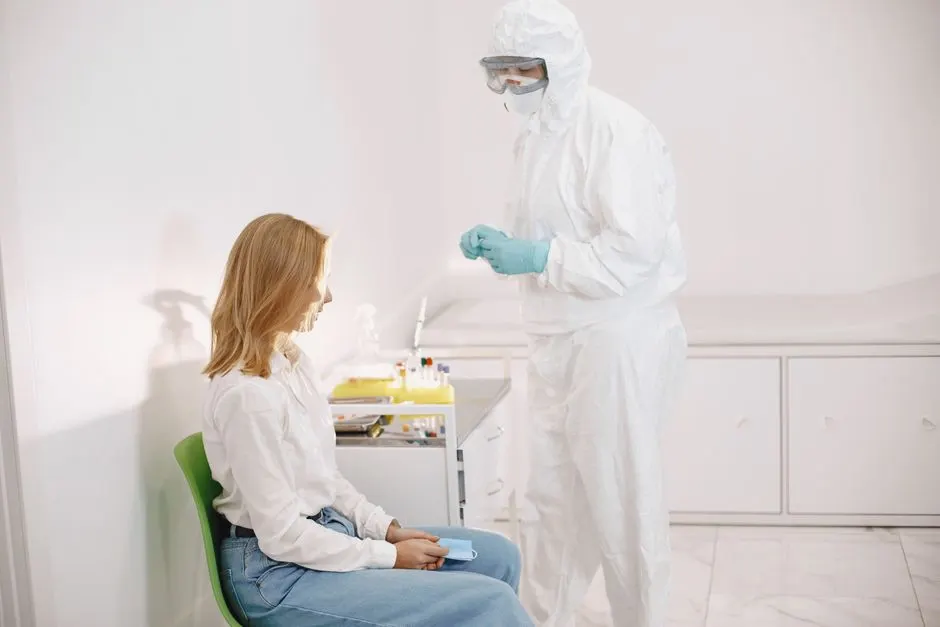 Residential Mold TestingResidential mold testing covers single-family homes and condos. It is the right call for HOA boards investigating a complaint that crosses unit lines.Explore →
Flat inspection pricing, same-week scheduling, and a written report within 48 hours of lab results. Call (833) 929-5837 and tell us the address and square footage. We will confirm a window and bring the right gear.
Schedule Inspection (833) 929-5837 →Call (833) 929-5837 any time, day or night. We answer live, schedule inspections same-day when possible, and send a written scope before work starts. If you prefer email, send photos of the affected area to info@moldremediationservicenewportcoast.com and we will follow up with next steps.