Roof leak staining sheathing after winter storms
We trace the leak with a thermal imaging camera, document the wet zone, remove affected insulation, and treat the framing. We tell you what roof repair is needed so the moisture stops.
If you smell that musty attic odor or spotted dark staining on the roof sheathing, our attic mold testing and removal in NEWPORT COAST, California finds the source fast. We inspect with thermal imaging and moisture meters, pull air samples, and handle attic mold remediation NEWPORT COAST homeowners can count on. Coastal humidity here feeds growth year-round, so we test, remove, and verify clearance in one coordinated job.

Attic mold testing and removal in NEWPORT COAST, California is the process of locating moisture-fed fungal growth in the attic, confirming it with lab analysis, and physically removing it along with the contaminated materials. We start with a full visual walk of the attic, then use a thermal imaging camera and moisture meter to trace where water is entering. A boroscope camera reaches behind knee walls and into tight eaves. Air sampling pumps collect spore counts before and after, so you get documented proof of the condition, not a guess.
Coastal moisture, marine-layer fog, and roof leaks after winter storms drive most attic mold calls in this area. We routinely handle attic mold removal NEWPORT COAST wide after a roof leak, when insulation stays wet and black mold growth spreads across sheathing within days. If you are searching for attic mold remediation near me NEWPORT COAST, our team tests first, then builds a removal plan around what the lab actually finds. That keeps the scope honest and the cleanup targeted.
Our standard attic package covers inspection, lab testing, contained removal, and clearance. Insulation replacement and roof repairs are quoted separately once we know the scope, and we tell you before any add-on work begins.
Thermal imaging, moisture meter readings, and a boroscope walk of the roof deck, rafters, vents, and HVAC connections. Photos document every finding, and you get a written summary of conditions.
Calibrated air sampling pumps collect spore counts indoors and outdoors for comparison. Tape lifts capture visible growth for species identification. Results return in 24 to 48 hours from an accredited lab.
Polyethylene sheeting and zipper doors seal the work area, and a negative air machine with HEPA filters keeps spores contained. Affected insulation and porous materials are bagged and removed.
Framing and sheathing get HEPA vacuuming followed by a biocide solution or Concrobium application. Where appropriate we apply an antimicrobial coating to slow future growth on clean wood.
Post-removal air samples confirm spore levels are back to baseline. You receive the before-and-after lab report, job photos, and a clearance letter suitable for insurance or real estate use.
We ask about the roof history, any leaks, musty odors, and visible staining. Most calls get a same-day or next-day inspection slot. You get an arrival window, and we show up inside it.
A certified inspector walks the attic with a thermal imaging camera, moisture meter, and boroscope camera. We check sheathing, rafters, insulation, vents, and the HVAC plenum. This typically takes 45 to 90 minutes depending on attic size and access.
Air sampling pumps collect spore samples, and we take tape lifts from visible growth. Samples go to an accredited lab, and results usually return in 24 to 48 hours. The report identifies spore types and counts so the removal scope is based on data.
We set up containment with polyethylene sheeting and zipper doors, run a negative air machine with HEPA filtration, and remove affected insulation, drywall, and debris. Surfaces get HEPA vacuuming and treatment with a biocide solution or Concrobium. Most attics take one to two days.
After cleanup we re-sample the air and confirm spore levels are back to normal outdoor baseline. You receive the before-and-after lab report, photos, and a list of any moisture repairs still needed. Post-remediation clearance failure is rare when the source is fixed.
Purpose-built equipment, used by trained technicians — so the job is done accurately the first time.
Finds temperature differences that reveal wet sheathing, hidden leaks, and areas where insulation is saturated but not yet visible.
Confirms actual moisture content in wood and insulation so we know what is wet versus what is merely stained.
Reaches behind knee walls, into eaves, and inside the HVAC plenum to document growth in spaces a flashlight cannot show.
Draws calibrated air samples for lab analysis, giving spore counts we compare against an outdoor control.
Keeps the work zone under negative pressure so spores cannot escape containment into living spaces.
Removes settled spores from framing and surfaces after bulk removal, ahead of any liquid treatment.
Fogging reaches hidden cavities, and dry ice blasting cleans heavy growth off rafters without abrasive damage.
A January storm drove water past a chimney flashing. Two weeks later the homeowner noticed a musty smell in the hallway. Inspection found wet sheathing across roughly 120 square feet, dark staining on rafters, and saturated blown insulation.
We contained the attic, removed the wet insulation and stained drywall, HEPA vacuumed the framing, and treated with Concrobium. Clearance samples came back at outdoor baseline levels. The roof repair was completed the same week.
Condensation from a bathroom fan ducted straight into the attic had fed mold across 200 square feet of roof sheathing over two winters. The bathroom mirror fogged for hours after showers, and the attic smelled musty year-round.
We rerouted the fan to vent outdoors, removed affected insulation, and treated the sheathing. Post-remediation testing showed spore counts back to normal. The bathroom fogging issue cleared within a week.
A buyer's inspector flagged staining on the roof sheathing three days before the inspection contingency deadline. No prior testing existed, and the seller had no documentation of past roof work.
We inspected and sampled the same day, returned lab results in 48 hours, and completed contained removal and clearance within a week. The clearance report showed normal spore levels, and escrow closed on schedule.
Most attic mold calls trace back to one of a handful of causes. Identifying which one you have is the difference between a fix and a repeat visit next rainy season.
Ask a pro →We trace the leak with a thermal imaging camera, document the wet zone, remove affected insulation, and treat the framing. We tell you what roof repair is needed so the moisture stops.
We confirm the vent routing during inspection, then correct it so the fan exhausts outdoors. After that, attic mold removal and treatment address the growth the vent caused.
Air sampling and a boroscope camera find the source. We test before quoting, so the removal scope matches what the lab confirms rather than what a flashlight shows.
We re-inspect, identify what was missed, and redo the removal correctly with containment and HEPA filtration. New clearance samples give you documentation that holds up.
Most attic mold testing and removal jobs in this area run $1,200 to $4,500 in 2026, with testing alone at $350 to $650. Cost climbs with attic square footage, how much insulation must be pulled, and whether containment is needed. Small surface growth on sheathing sits at the low end; full insulation removal and HVAC cleaning push toward the top.
Wet or moldy insulation is bagged and removed, not treated in place. Blown fiberglass and cellulose cannot be cleaned once growth takes hold, so we pull it under containment, HEPA vacuum the cavity, treat the framing, and reinstall new insulation after clearance. The removal usually adds one day to the job.
Attic mold itself rarely causes illness because the attic is separated from living space, but spores travel through HVAC leaks and attic stair gaps. For sensitive occupants, that matters. The bigger risk is structural: unchecked moisture rots sheathing and rafters. Testing tells you the spore type and count so you can judge the real exposure.
Yes. Our attic mold testing includes air sampling with a calibrated pump plus tape lifts from visible growth. Samples go to an accredited lab, and results return in 24 to 48 hours. We also take an outdoor control sample for comparison, which is what makes the indoor counts meaningful.
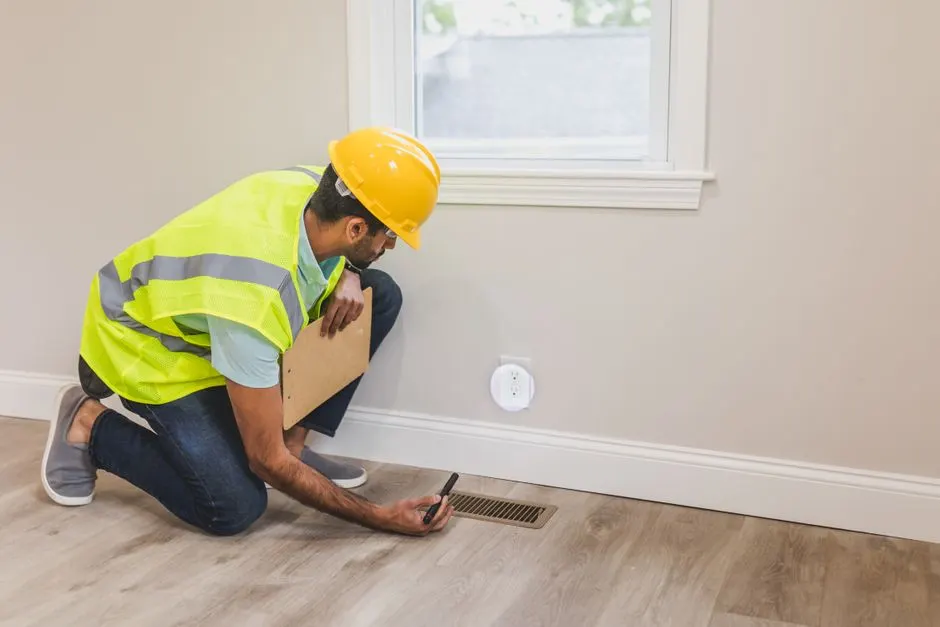 Mold Inspection Near MeA full visual and moisture inspection is the first step before any attic mold testing and removal in NEWPORT COAST. We check the roof deck, vents, and HVAC for the moisture that feeds growth.Explore →
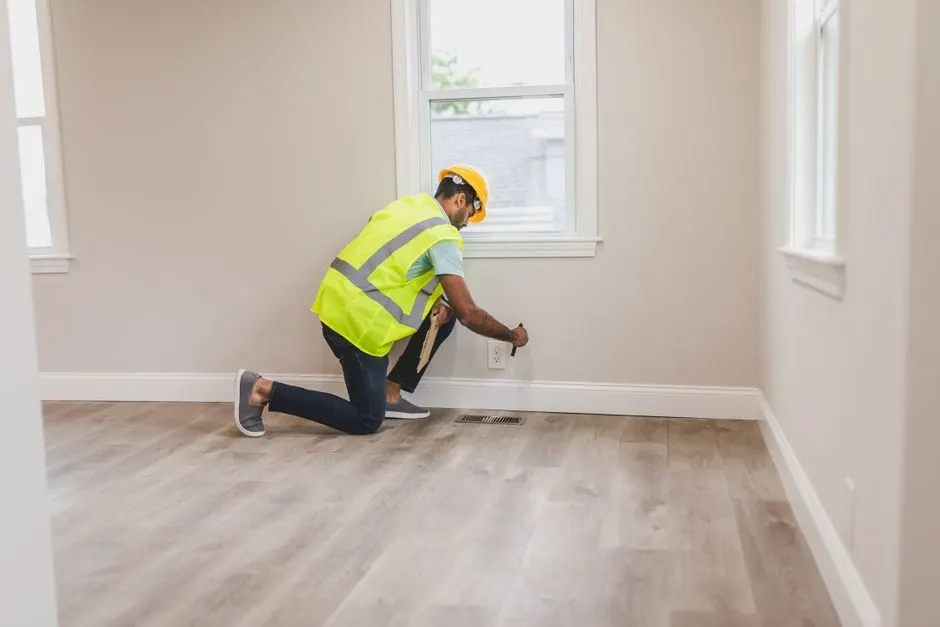 Mold InspectionOur standard mold inspection covers the attic, crawl space, and living areas. When the attic shows staining, we expand the inspection to trace whether spores have reached the HVAC system or interior rooms.Explore →
 Mold TestingLab-based mold testing pairs with attic work to confirm spore types and counts. We use air sampling pumps and tape lifts, with results in 24 to 48 hours, so removal decisions rest on data.Explore →
 Mold Testing Near MeIf you need mold testing near me in NEWPORT COAST, we schedule same-day or next-day sampling. Attic samples are compared against an outdoor control to give a clear indoor-versus-outdoor picture.Explore →
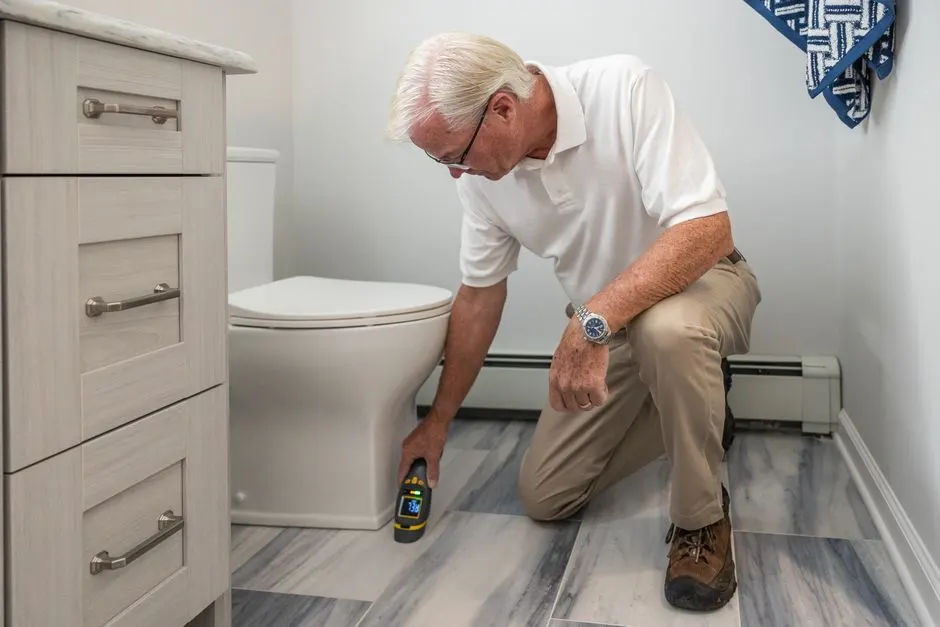 Certified Mold InspectorOur ACAC CMI and CMR certified mold inspectors perform the attic assessment. They document conditions with photos and moisture readings, which becomes the basis for the removal scope and clearance report.Explore →
 Black Mold InspectionDark staining on roof sheathing often points to black mold growth. We inspect, sample, and confirm species before recommending removal, so you are not paying for treatment of harmless discoloration.Explore →
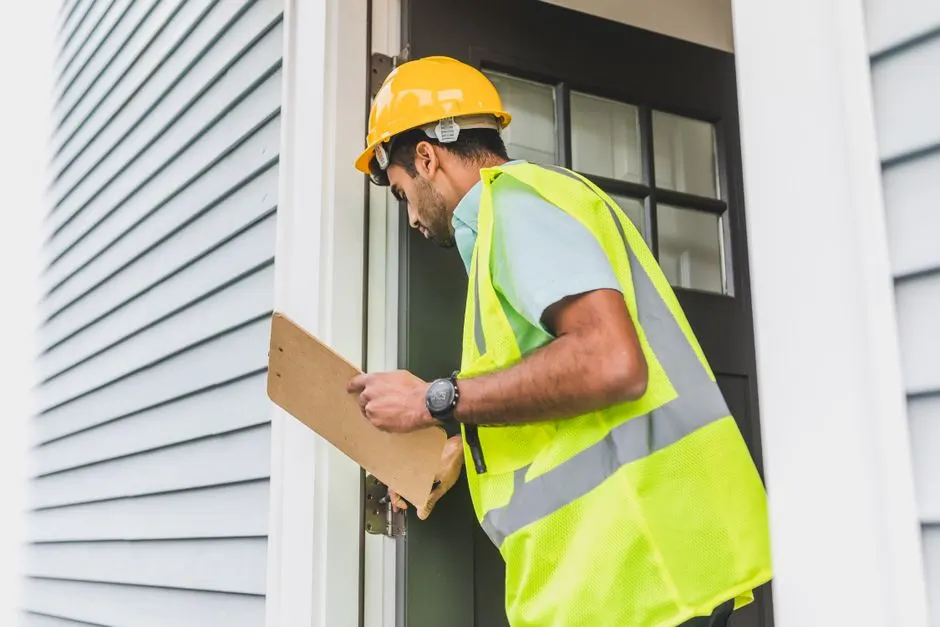 Home Mold InspectionA whole-home mold inspection ties the attic findings to the rest of the house. If attic spores are migrating through ceiling gaps or HVAC returns, we map the path and address both ends.Explore →
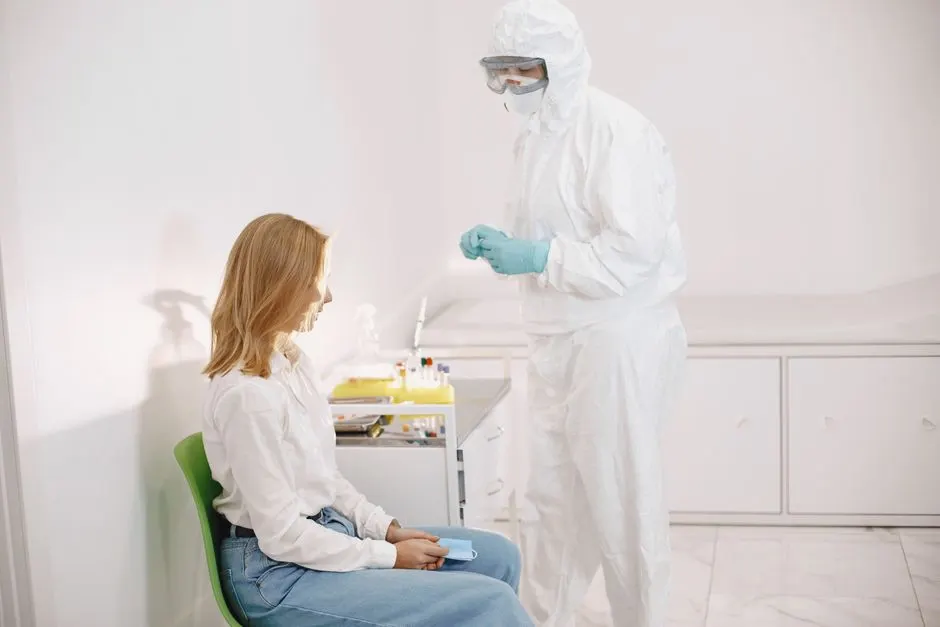 Residential Mold TestingResidential mold testing for Newport Coast homes includes attic, crawl space, and interior sampling. We tailor the scope to the home's age, roof history, and any past water damage.Explore →
Musty smell, dark staining, or a roof leak you have not fully dried out? Call (833) 929-5837 and we will get an inspector to your attic, usually same day. Licensed, insured, and lab-backed results every time.
Book Inspection (833) 929-5837 →Call (833) 929-5837 any time, day or night. We answer live, schedule inspections same-day when possible, and send a written scope before work starts. If you prefer email, send photos of the affected area to info@moldremediationservicenewportcoast.com and we will follow up with next steps.