Musty odor that returns after cleaning
We find the moisture source, correct it, and fog the affected cavities with a product that neutralizes the microbial compounds behind the odor. Air sampling confirms the drop before we call it done.
Mold fogging treatment in NEWPORT COAST, California is the finishing step that reaches what scrubbing can't: airborne spores and growth tucked behind drywall, above ceiling panels, and inside HVAC plenums. We run mold fogging NEWPORT COAST homeowners call for after a leak, a musty smell that won't quit, or a failed clearance test. One visit, documented results.
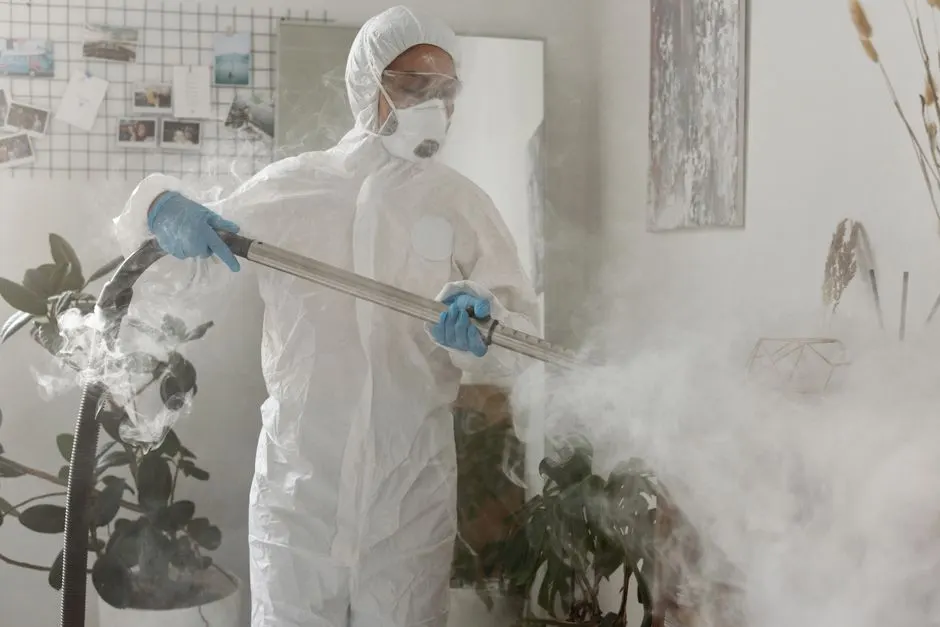
Mold fogging treatment in NEWPORT COAST, California is a remediation method that disperses a fine antimicrobial mist through an enclosed space so the fog reaches surfaces a sponge or HEPA vacuum can't touch. A fogger or thermal unit vaporizes a biocide solution such as Concrobium or Benefect into particles small enough to travel into wall cavities, attic framing, and ductwork. The mist settles on spores, neutralizes them, and leaves a residual antimicrobial coating that slows regrowth.
Coastal humidity along Newport Coast Drive and the marine layer that rolls over Pelican Hill keep interior moisture levels high enough for mold to rebound after a leak. We see it most in attic sheathing, crawl spaces, and bathroom ceilings where a fan vents into the wrong place. If you've searched mold fogging near me NEWPORT COAST after a water heater failure or a slow supply-line drip, this is the step that closes the job out.
Our standard fogging scope covers containment, application, dwell time, ventilation, and post-treatment air sampling. Physical removal of heavy growth, duct cleaning, and encapsulation are scoped separately if the inspection shows they're needed. You'll see every line item before we start.
Polyethylene sheeting, zipper doors, and a negative air machine with HEPA filters keep spores from spreading to clean rooms during treatment. Setup is included on every job.
We take moisture meter and thermal imaging readings before fogging. If framing is still wet, we dry it first with Dri-Eaz or Phoenix Restoration equipment so the fog can actually do its job.
A fogger or thermal unit applies an EPA-registered biocide solution matched to the surface. Attics, crawl spaces, wall cavities, and HVAC plenums get targeted passes with monitored dwell time.
After the 30-60 minute dwell, we ventilate the space and run air scrubbers until it's dry and safe to re-enter. You get a call when it's ready, not a guess.
We collect air samples with a calibrated pump 24-72 hours after treatment and compare indoor spore counts to an outdoor baseline. The lab report goes to you and your agent if you're selling.
You get a signed report documenting the scope, the product used, the dwell time, and the sampling results. It's the document your real estate agent or insurance adjuster will ask for.
We seal doorways and HVAC registers with polyethylene sheeting and zipper doors, then set a negative air machine with HEPA filters to keep spores from migrating to clean rooms. Setup takes 45-90 minutes on a typical Newport Coast home.
A moisture meter and thermal imaging camera tell us where the water came from and whether framing is still wet. Fogging over active moisture fails. If we find damp drywall or saturated subfloor, we dry it with Dri-Eaz or Phoenix Restoration equipment first.
We load the fogger with a biocide solution matched to the surface, then walk the space applying an even mist. Attics, crawl spaces, and wall cavities get targeted passes. The technician wears full personal protective equipment and monitors dwell time with a timer.
The fog needs 30-60 minutes of contact time to work. After that we open the space, run air scrubbers, and ventilate until the treated area is dry and safe to re-enter. You get a call when the space is ready, not a guess.
We run air sampling pump tests 24-72 hours after treatment and compare spore counts to an outdoor baseline. If counts are still high, we re-treat at no additional charge. The lab report goes to you and, if you're selling, to your agent.
Purpose-built equipment, used by trained technicians — so the job is done accurately the first time.
Vaporizes the biocide solution into a fine mist that travels into cavities and settles on surfaces. Used on attics, wall cavities, and large open spaces.
Produces a drier mist for crawl spaces and spaces where moisture is a concern. Leaves a residual antimicrobial coating on framing and joists.
Finds hidden moisture behind drywall and in ceiling cavities before we fog, so we don't treat over an active leak.
Confirms framing and drywall are dry enough to treat. A reading above 15-16% means we dry first.
Lets us see inside wall cavities and duct runs to confirm the fog reached the target area and the growth is neutralized.
Collects calibrated air samples before and after treatment for lab analysis. The numbers are what clearance reports are built on.
Maintains negative pressure in the containment zone with HEPA filters so spores don't migrate to clean rooms during treatment.
A 2,400 sq ft Pelican Crest home had visible black mold growth on attic sheathing after a roof flashing leak. The homeowner had a musty smell in the upstairs hallway and a failed clearance test from a previous contractor.
We dried the framing, dry ice blasted the heavy growth, and ran a thermal fog through the entire attic. Post-treatment sampling at 48 hours showed indoor spore counts at or below the outdoor baseline, and the clearance report passed.
A Crystal Cove rental unit had a damp crawl space with mold growth on the joists and a musty odor in the first-floor rooms. The property manager had tried sprays with no lasting result.
We dried the space with dehumidifiers, ran a dry fog treatment with a residual antimicrobial coating, and installed an encapsulation liner. Air sampling confirmed the spore count dropped below the outdoor baseline within 72 hours.
A Newport Ridge home had a bathroom ceiling with recurring mold and a musty smell that spread to the adjacent bedroom. The bathroom fan was venting into the attic, feeding moisture into the space above.
We corrected the fan venting, cleaned the HVAC ducts to NADCA standards, and fogged the bathroom, attic bay, and duct plenum. The odor cleared within 48 hours and the clearance test passed on the first attempt.
Fogging isn't a cure-all. It's the right tool for a specific set of problems, and we'll tell you honestly when it isn't. Here's what it handles best.
Ask a pro →We find the moisture source, correct it, and fog the affected cavities with a product that neutralizes the microbial compounds behind the odor. Air sampling confirms the drop before we call it done.
A mold fogging treatment after remediation NEWPORT COAST brings airborne counts down. We sample before and after, and if the numbers don't clear, we re-treat at no additional charge.
We dry ice blast heavy growth off the framing, then fog the entire attic cavity with a residual coating. A boroscope camera confirms penetration into the tight bays.
We dry the space, fog it with a dry fog treatment, and install an encapsulation liner and vapor barrier to keep moisture out. The fog handles the spores; the liner handles the cause.
Most residential fogging jobs in Newport Coast run $450-$1,800 in 2026, depending on square footage and whether containment and air sampling are included. A single attic or crawl space typically lands at the low end; whole-house treatment with post-remediation clearance testing runs higher. We give you a written number before we start.
Yes, once the treated area is dry and ventilated. We use EPA-registered products like Concrobium and Benefect, and we keep pets out of the containment zone during application and the 30-60 minute dwell time. We'll tell you exactly when the space is safe to re-enter, usually the same day.
Application itself takes 30-90 minutes for a typical home. Add 45-90 minutes for containment setup and another 30-60 minutes of dwell and ventilation, so plan on a half-day on site. Clearance sampling happens 24-72 hours later, and the lab report usually comes back within two business days.
It neutralizes the spores it contacts, which is why fogging is used after physical removal to bring airborne counts down. It does not fix the moisture source, and it won't penetrate dense materials the fog can't reach. That's why we pair fogging with HEPA vacuuming, dry ice blasting mold on framing when needed, and moisture correction.
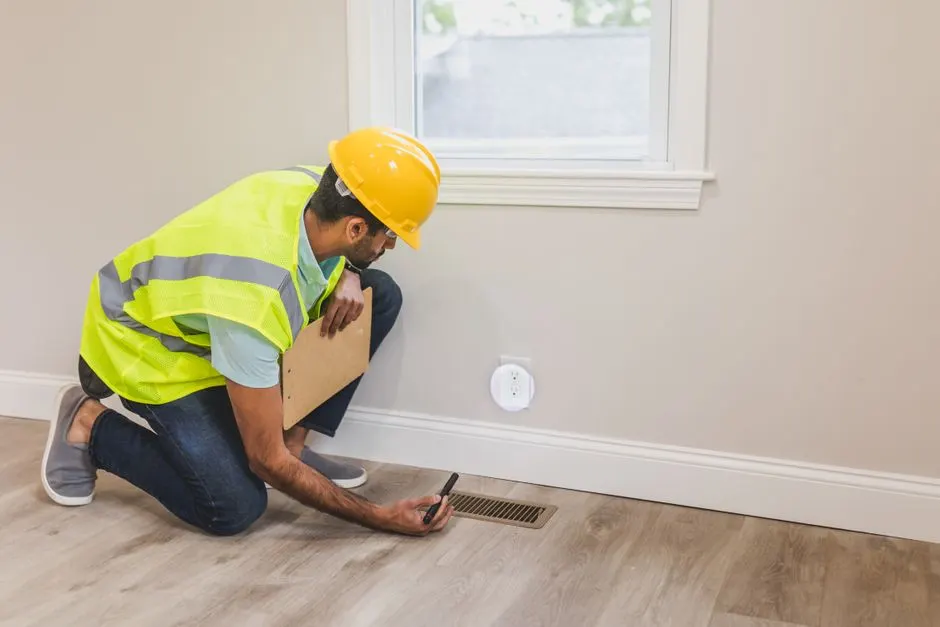 Mold Inspection Near MeBefore any fogging, we inspect. A same-day mold inspection near you maps the moisture source and confirms whether fogging is the right step or whether removal comes first.Explore →
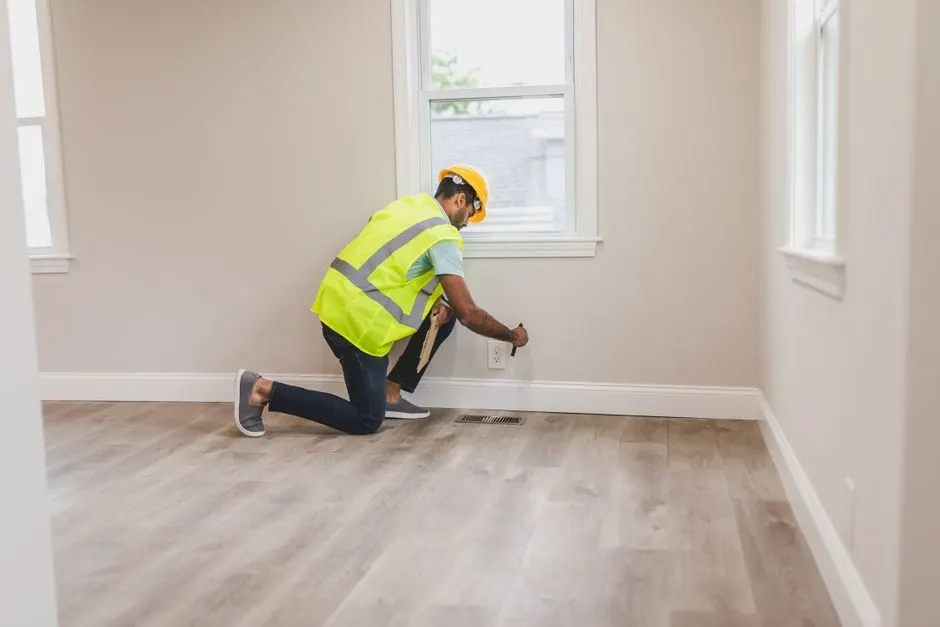 Mold InspectionA full mold inspection with moisture meter and thermal imaging tells us what's behind the walls. We use that data to decide which spaces get fogged and which need physical removal.Explore →
 Mold TestingLab-based mold testing gives us a spore baseline before treatment. Without a baseline, there's no way to prove the fogging worked, so we test first on most jobs.Explore →
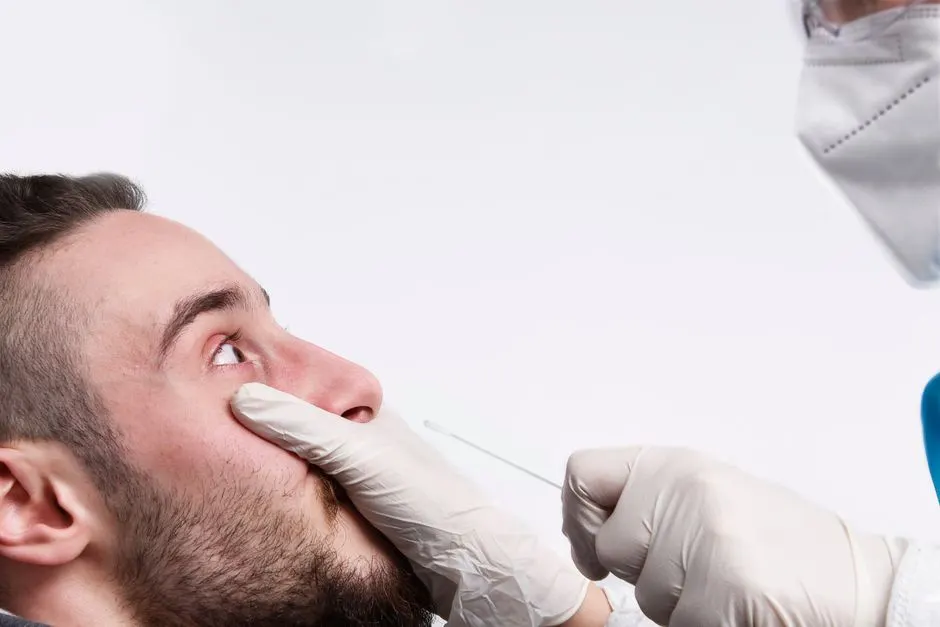 Mold Testing Near MeNeed mold testing near you fast? We collect air and surface samples the same day and use the results to scope the fogging treatment and the clearance test.Explore →
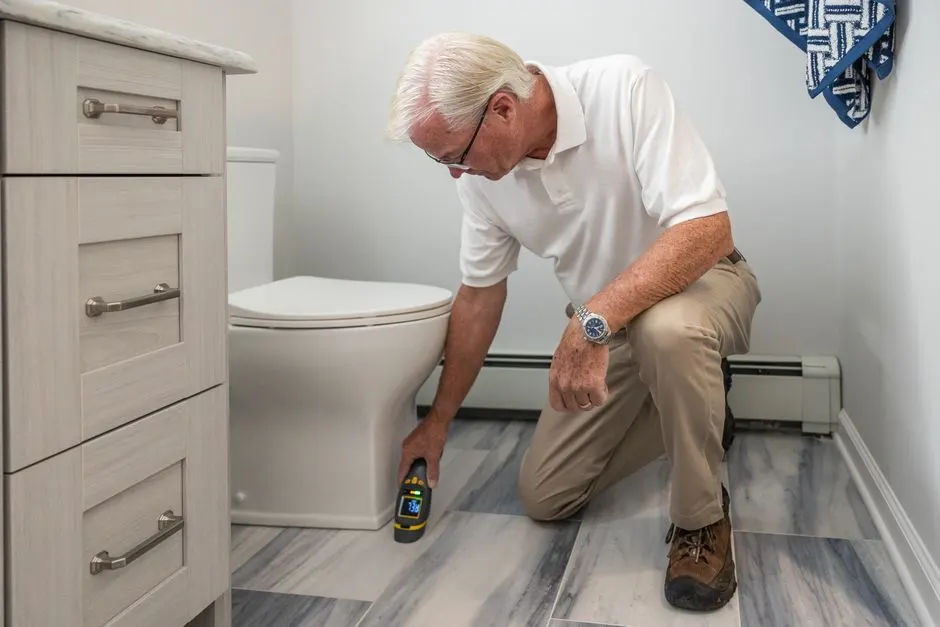 Certified Mold InspectorOur ACAC-certified mold inspector signs off on the scope and the clearance. That independent documentation matters if you're selling or filing an insurance claim.Explore →
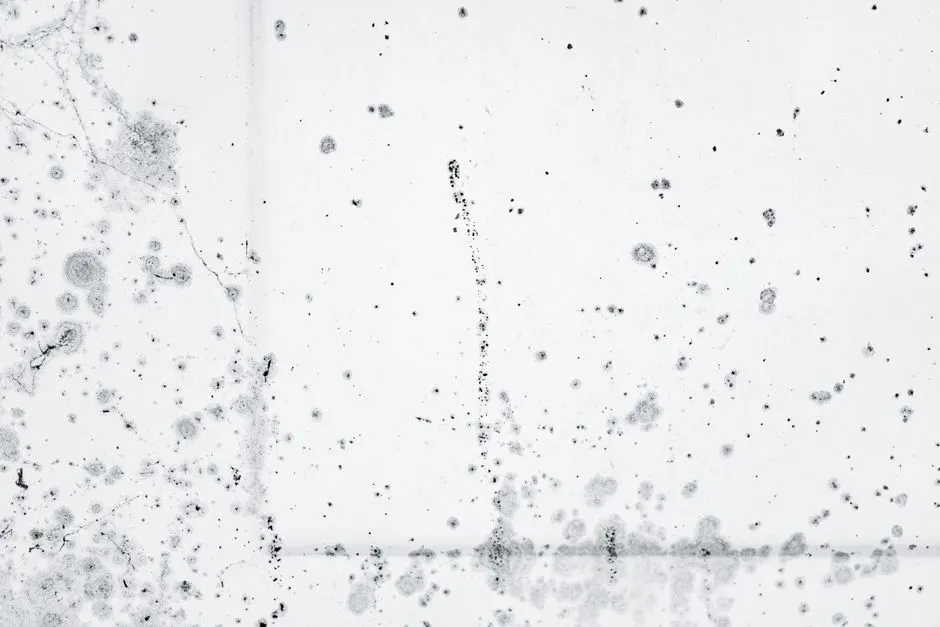 Black Mold InspectionBlack mold growth needs identification before treatment. We inspect, sample, and confirm species so the fogging product and protocol match the actual contamination.Explore →
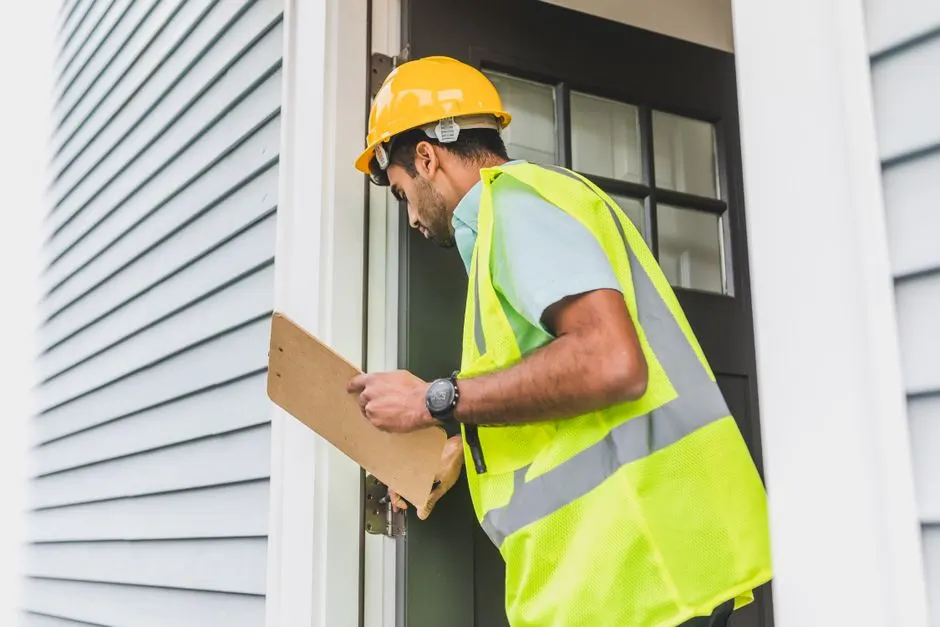 Home Mold InspectionA home mold inspection covers attic, crawl space, bathrooms, and HVAC. We flag the spaces that need fogging and the ones that need a different approach.Explore →
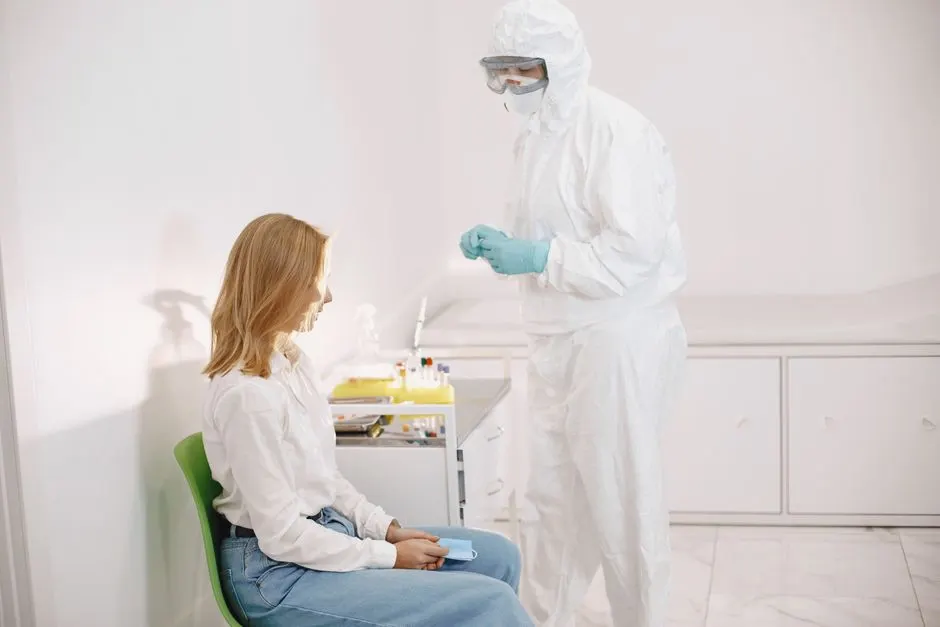 Residential Mold TestingResidential mold testing gives homeowners a clear before-and-after picture. We use it to verify fogging results and to document clearance for real estate transactions.Explore →
If you've got a musty smell, a recent leak, or a failed clearance test, call us. We'll inspect, scope the fogging, and give you a written price before we start. Licensed, insured, and lab-backed results on every job.
Book an Inspection (833) 929-5837 →Call (833) 929-5837 any time, day or night. We answer live, schedule inspections same-day when possible, and send a written scope before work starts. If you prefer email, send photos of the affected area to info@moldremediationservicenewportcoast.com and we will follow up with next steps.