Fast, certified mold removal after leaks, floods, and pipe breaks

Water damage mold remediation in NEWPORT COAST, California

Water damage mold remediation in NEWPORT COAST, California starts with stopping the moisture and ends with a clearance test you can hand to your insurer. We handle water damage mold removal in NEWPORT COAST for homeowners, property managers, and HOAs across Pelican Crest, Crystal Cove, and Newport Ridge. The longer wet drywall sits, the deeper the roots go. Call (833) 929-5837 and we will be on site the same day.

↗
Fast online booking

Request service today

Tell us what is happening. Our local team will confirm your visit shortly.

No spam. No obligation. Just practical help.
Thanks — we'll call shortly to confirm your visit.
Water Damage Mold Remediation you can count on
Careful work. Honest options.
About this service

What water damage mold remediation in NEWPORT COAST, California involves

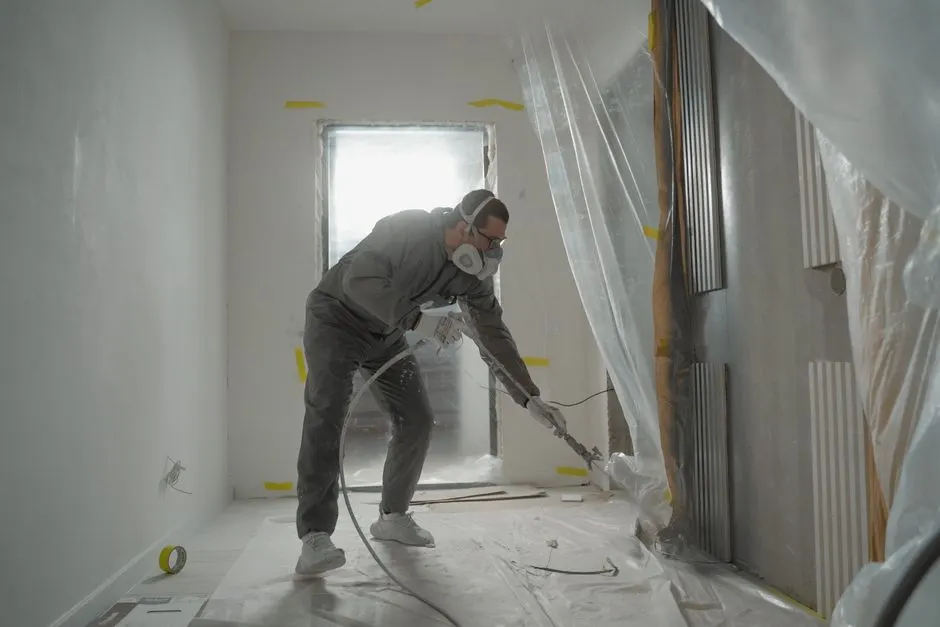
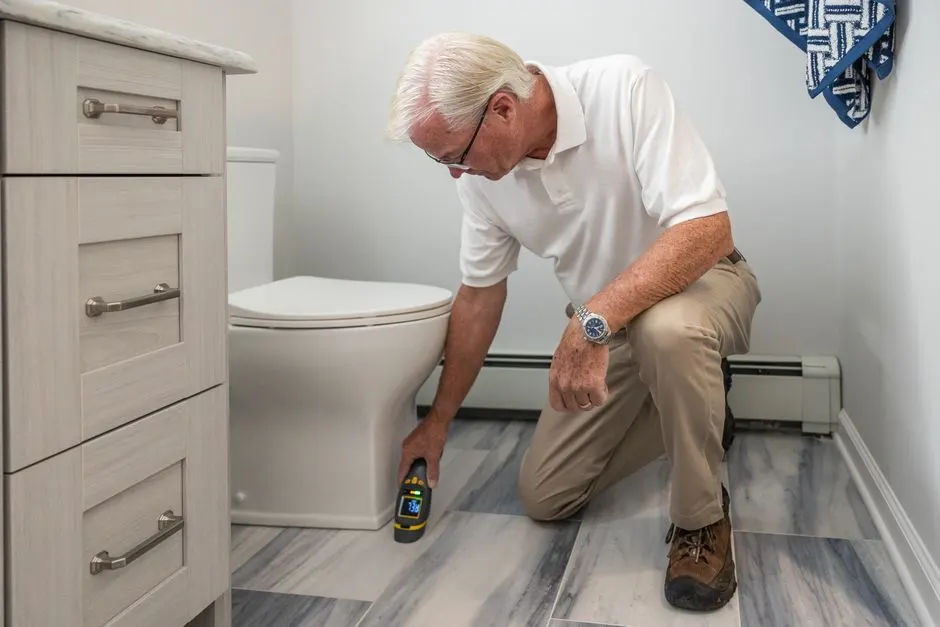
Water damage mold remediation in NEWPORT COAST, California is the controlled removal of mold growth that started with a leak, flood, or chronic condensation problem, paired with structural drying that returns the building to a normal moisture baseline. It is not a wipe-down. We map the moisture with a thermal imaging camera and moisture meter, build containment with polyethylene sheeting and zipper doors, run HEPA air scrubbers and negative air machines, and remove porous materials that cannot be saved. Then we dry the structure to IICRC S500 standards and verify the result with air sampling before we call the job done.

Most calls we take in this area trace back to a slow supply-line leak behind a cabinet, a failed water heater pan, or a bathroom that stayed wet after a shower pan failed. In a coastal climate like ours, that moisture does not dry out on its own. Mold can colonize wet drywall in 24 to 48 hours, which is why we treat every water damage mold cleanup NEWPORT COAST request as time-sensitive. If you are searching for water damage mold removal near me NEWPORT COAST, the answer is a crew that brings drying equipment on the first visit, not an estimator with a clipboard.

  • ✓ Drying starts day one
  • ✓ Clearance testing included
  • ✓ Containment that holds
  • ✓ Odor gone, not covered up
What's included

What our water damage mold remediation includes

Every scope is written to the damage we find, but these are the items that are standard on a water damage mold remediation job. If something is not needed, it does not appear on your invoice. If it is needed, it is priced before we start.

✓

Moisture mapping and documentation

Thermal imaging and moisture meter readings on every affected surface, logged twice daily for the duration of the drying cycle. You get the full log at clearance. It is the record that proves the structure was dried to standard, not just dried until it looked fine.

✓

Containment and negative air

Polyethylene sheeting, zipper doors, and negative air machines with HEPA filters keep the work zone sealed and under negative pressure. Air scrubbers run continuously. This is what keeps a contained bathroom job from contaminating bedrooms and HVAC returns.

✓

Removal and disposal

Affected drywall, insulation, carpet pad, and other porous materials come out, get bagged, and leave the site. We cut to clean lines and photograph the cavity before treatment so you can see exactly what was removed and why.

✓

Structural drying

Dri-Eaz and Phoenix Restoration dehumidifiers and air movers sized to the cubic footage of the affected zone. We monitor until framing reads at or below dry standard, typically 12% to 15% for wood in this climate. Equipment stays until the numbers say so.

✓

Treatment and antimicrobial coating

HEPA vacuuming of exposed framing, antimicrobial coating on structural lumber, and fogging treatment with Benefect or Concrobium where the scope calls for it. Dry ice blasting is used on framing that cannot be replaced. Every product we use is listed on the scope.

✓

Post-remediation clearance testing

Air sampling with an air sampling pump inside the containment and at an outdoor control location. Lab results come back in 24 to 48 hours. We do not remove equipment or close the job until spore counts are at or below baseline. If a sample fails, we re-clean and re-test.

How it works

How our water damage mold remediation process runs

01

Emergency assessment

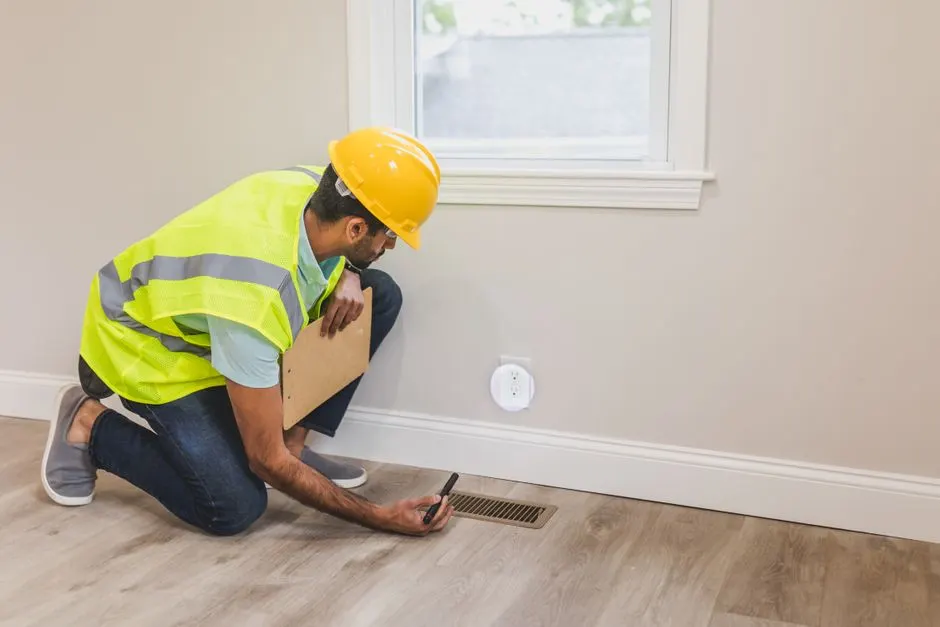
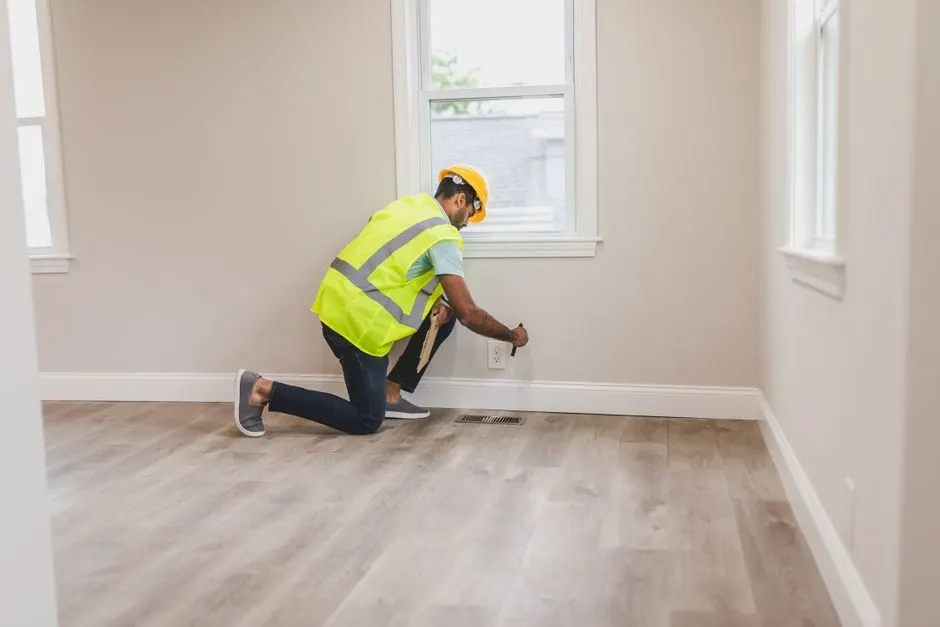
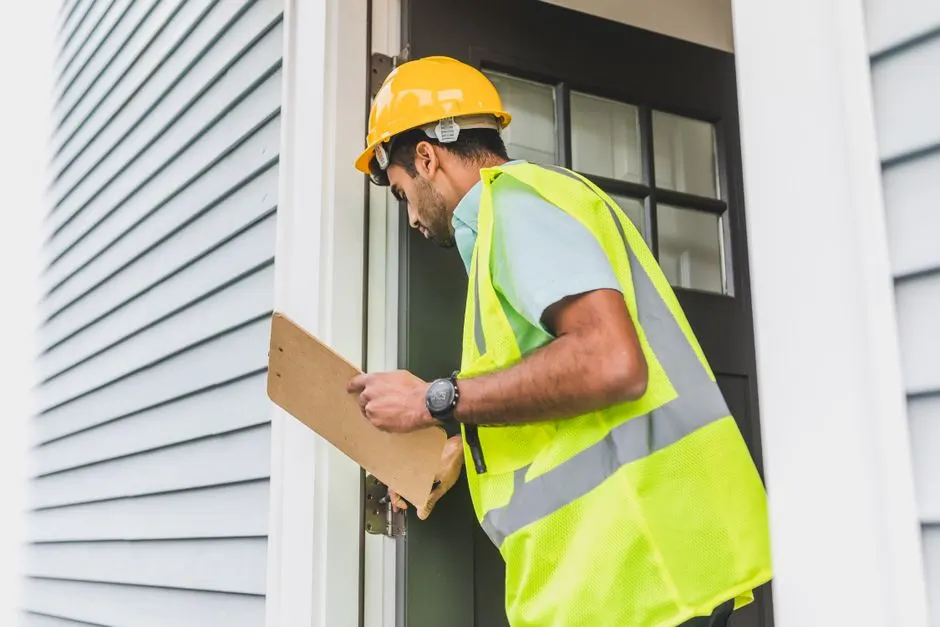
We arrive, shut off the water source if it is still active, and walk the structure with a thermal imaging camera and moisture meter. You get a written scope and a price before any equipment comes off the truck. Most assessments take 45 to 90 minutes depending on square footage.

02

Containment and air control

We seal the work area with polyethylene sheeting and zipper doors, then set negative air machines with HEPA filters so the contained zone stays under negative pressure. Air scrubbers run continuously for the duration. This is the step that keeps a bathroom job from becoming a whole-house job.

03

Removal and drying

Porous materials with active growth, like drywall, insulation, and carpet pad, come out and get bagged. Structural framing gets HEPA vacuumed and treated with an antimicrobial coating. Then we set dehumidifiers and air movers and monitor moisture content daily until readings match dry standard.

04

Treatment and verification

Depending on the scope, we use fogging treatment, dry ice blasting on framing, or biocide solution on affected surfaces. Once drying is complete, an air sampling pump collects spore counts inside and outside the containment. We do not remove equipment until the lab results come back clean.

05

Clearance and rebuild handoff

You receive the moisture log, lab report, and photo documentation in one packet. If drywall or trim needs replacement, we scope that separately so you know exactly what the rebuild costs. Most residential jobs run three to seven days from assessment to clearance.

Tools & methods

Tools and methods we use on every job

Purpose-built equipment, used by trained technicians — so the job is done accurately the first time.

Thermal imaging camera

Finds temperature differentials behind drywall and under flooring so we can map the moisture plume without opening every wall in the room.

Moisture meter and boroscope camera

Confirms moisture content in framing and lets us see inside wall cavities and cabinet bases before we cut. Readings are logged daily and included in your report.

Negative air machine and HEPA air scrubber

Keeps the containment under negative pressure and filters airborne spores so they do not migrate into unaffected rooms or the HVAC return.

Dri-Eaz and Phoenix Restoration dehumidifiers

Pulls moisture out of the air and the structure. Sized to the cubic footage of the affected zone, not a one-size-fits-all rental unit.

Air sampling pump

Collects spore samples inside the containment and at an outdoor control location for lab analysis. This is the data behind the clearance decision.

Dry ice blasting machine

Removes mold from framing and masonry without abrasives or chemical residue, reaching joints and profiles that hand-scrubbing misses.

Fogger and HEPA vacuum

Applies Benefect or Concrobium to surfaces that cannot be wiped, and removes settled spores from exposed framing before treatment.

Real results

Before and after.

Kitchen supply-line leak, Pelican Crest

Before

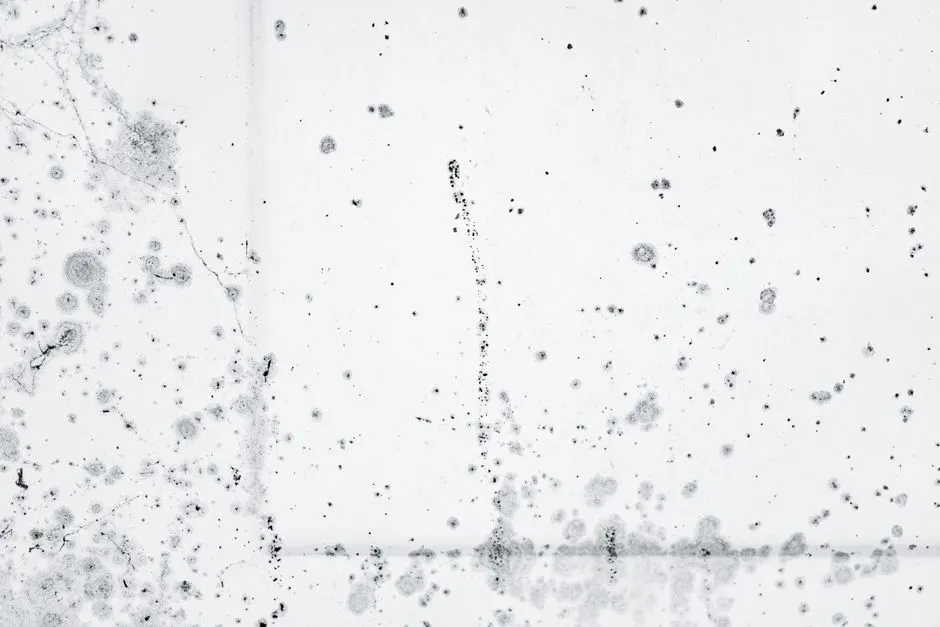
A braided supply line under the kitchen sink failed while the homeowners were away for a long weekend. The cabinet base was swollen, the drywall behind it was black with growth, and moisture had wicked into the toe kick and the adjacent hallway wall. The kitchen smelled musty from the front door.

After

We contained the kitchen, removed the cabinet base and two feet of drywall, dried the framing to 13% moisture content over four days, and treated the cavity with antimicrobial coating. Post-remediation air sampling came back at outdoor baseline. The rebuild was completed in three days after clearance.

Shower pan failure, Crystal Cove rental

Before

A slow shower pan leak ran for weeks before the tenant mentioned a musty smell in the adjacent closet. The subfloor was soft, the bottom plate was saturated, and growth had spread about three feet along the wall cavity. The owner was facing a full bathroom tear-out based on another quote.

After

We opened the wall from the closet side, confirmed the spread with moisture readings, removed the saturated drywall and insulation, and dried the framing in place. The subfloor section was replaced, the pan was rebuilt, and the unit passed clearance on the first sample. Total remediation time was five days.

Crawl space flooding, Buck Gully

Before

Heavy winter rain pushed groundwater into a crawl space and it stayed there for two weeks before the homeowner noticed the musty smell rising into the living room. Joists were reading above 24% moisture content, growth covered about 40% of the visible framing, and the HVAC return was pulling spores into the house.

After

We pumped out the standing water, HEPA vacuumed and treated the joists, installed a vapor barrier, and corrected the drainage grade at the foundation. Air sampling in the living space returned to baseline in six days. The HVAC system was cleaned and the return duct was replaced.

Problems we solve

Water damage mold problems we solve in NEWPORT COAST

Most of the calls we take are not the dramatic flood. They are the slow leaks that ran behind a wall for three weeks before anyone noticed a stain. Here are the problems we see most often and what happens if they are left alone.

Ask a pro →
01

Slow supply-line leak behind a cabinet

We locate the leak with a boroscope camera, isolate the water, remove the affected cabinet base and drywall, dry the framing, and treat the cavity. The repair is scoped to the actual spread, not the visible stain.

↗
02

Water heater failure in a garage or closet

We extract standing water, map moisture with a thermal imaging camera, and set drying equipment the same day. Drywall that can be dried in place is dried. Only material that has already grown mold comes out.

↗
03

Shower pan or tile failure

We open the wall from the dry side, confirm the spread with moisture readings, remove saturated material, dry the framing, and treat with antimicrobial coating before the rebuild. The shower gets rebuilt on a properly waterproofed pan.

↗
04

Roof leak staining an attic ceiling

We test the sheathing, remove growth with dry ice blasting or HEPA vacuuming depending on the substrate, treat the framing, and document the result. The roofer fixes the leak. We make sure the attic is clean and dry before the repair closes it up.

↗
Proof you can check

Licensed, certified, and documented

✓
IICRC WRT (Water Restoration Technician)Institute of Inspection, Cleaning and Restoration Certification
✓
IICRC AMRT (Applied Microbial Remediation Technician)Institute of Inspection, Cleaning and Restoration Certification
✓
ACAC CMI and CMRAmerican Council for Accredited Certification
✓
EPA Lead-Safe CertificationU.S. Environmental Protection Agency
✓
California CSLB licensed contractorCalifornia Contractors State License Board
Good questions

Frequently Asked Questions

(833) 929-5837 →

Typical 2026 pricing in this area runs $1,200 to $3,500 for a single contained room and $4,000 to $12,000 for multi-room or crawl space scopes. Cost drivers are the square footage of affected material, whether drywall or framing has to come out, and how many days of drying equipment are needed. Clearance testing adds $250 to $500. We give you a written price before work starts.

Mold can begin colonizing wet drywall and insulation in 24 to 48 hours, and visible growth typically appears within 72 hours in a coastal climate with indoor humidity above 60%. That is why we treat every active leak as an emergency. If the water has been sitting more than a day, assume growth has started and get an assessment before you close the wall back up.

Yes. Structural drying is the core of the job, not an add-on. We set dehumidifiers and air movers, monitor moisture content daily, and do not remove equipment until framing reads at or below dry standard, usually 12% to 15% for wood in this climate. Remediation without drying just puts clean drywall over wet framing, and the mold comes back within a season.

Most homeowner policies cover mold remediation when it results from a sudden covered event like a burst pipe or appliance failure, but not from long-term neglect or repeated seepage. We document the loss with photos, moisture logs, and a written scope formatted for adjusters, and we bill carriers directly on approved claims. Call your insurer first, then call us at (833) 929-5837 so the documentation is in place from day one.

Ready when you are

Get water damage mold remediation in NEWPORT COAST, California started today

Every hour of standing water or wet drywall is another hour mold has to spread. Call (833) 929-5837 and we will assess the damage, set drying equipment, and give you a written scope before work begins. Licensed, insured, and IICRC certified.

Call for Same-Day Service (833) 929-5837 →
Request an appointment

Contact Our Newport Coast Mold Team

Call (833) 929-5837 any time, day or night. We answer live, schedule inspections same-day when possible, and send a written scope before work starts. If you prefer email, send photos of the affected area to info@moldremediationservicenewportcoast.com and we will follow up with next steps.

Request received — our team will be in touch shortly.
Tap to call(833) 929-5837