Musty odor with no visible growth
We sample the air in the rooms where you notice it and compare to the outdoor control. If the count is elevated, the genus usually points to the source, whether that's a crawl space, an attic, or an HVAC closet.
Mold spore testing in NEWPORT COAST, California gives you a number, not a guess. We pull air and surface samples with calibrated pumps, run mold spore count testing NEWPORT COAST homeowners can read in plain English, and compare indoor counts against an outdoor control. If you smell something musty after a winter storm or a slow drip, this is where you start.
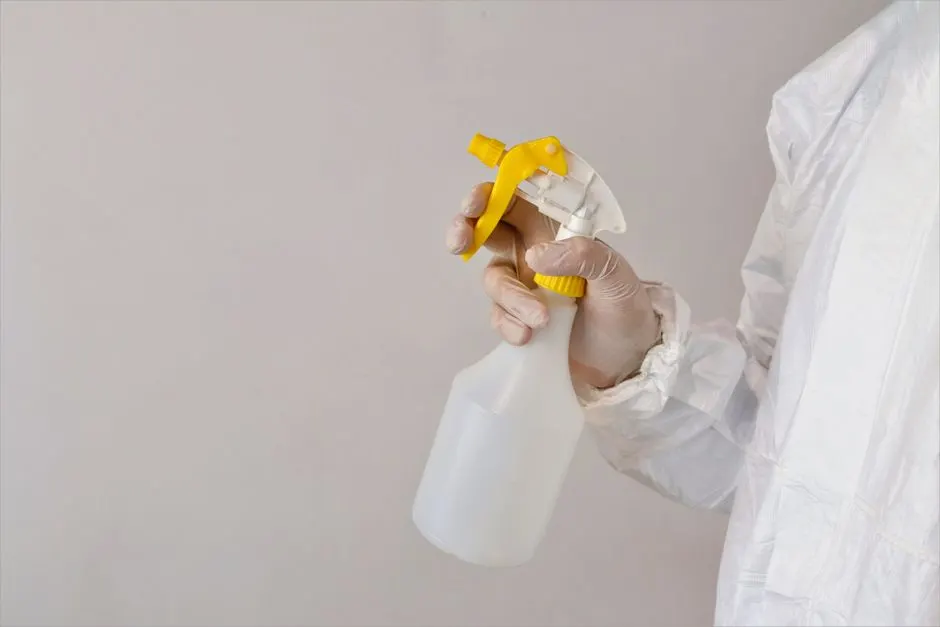
Mold spore testing in NEWPORT COAST, California is a diagnostic service that captures airborne and surface spores on lab media and returns a count you can act on. We set a calibrated air sampling pump at roughly 15 liters per minute, run it for five to ten minutes per room, and label every cassette by location. Surface samples go on tape lifts or swabs. A moisture meter and thermal imaging camera flag the wet spots the samples can't show, and a boroscope camera checks inside wall cavities when the readings don't match what we see.
Coastal homes here live with marine layer humidity most of the year, so a small roof leak or a failed window flashing turns into attic mold or bathroom ceiling mold fast. That's why mold spore count testing NEWPORT COAST wide is the first call after any water damage mold event. If you've already had a cleanup done, mold spore testing after remediation NEWPORT COAST contractors rely on is how you prove the job actually passed. We also pull an outdoor control sample every time, because an indoor count means nothing without a baseline.
Every visit includes the sampling, the outdoor control, and a written lab report. How many sample locations you need depends on the size of the home and how many suspect areas we find during the walkthrough.
Air samples pulled with a calibrated pump at each agreed location, typically one per floor plus the HVAC return. Each cassette is labeled by room and logged with the run time and flow rate.
Surface samples on visible growth and on spots downstream of a leak. Tape lifts and swabs capture what's on the material so the lab can identify the genus.
One outdoor baseline sample taken upwind of the building, included at no extra charge. It's the reference point that makes the indoor counts meaningful.
A moisture meter and thermal imaging camera check the suspect walls, ceilings, and floors. This is how we decide where to sample and catch the wet spots the air samples can't show.
Genus-level counts, comparison to the outdoor control, photos of each sample location, and chain-of-custody documentation from an accredited lab. Delivered by email within two to three business days.
A call the day the report lands to go over the findings and tell you plainly whether you need remediation, a repair, or nothing. No pressure either way.
We start by asking where you smell it, where it got wet, and when. A moisture meter and thermal imaging camera sweep the suspect rooms, and we note any black mold growth, bubbling paint, or warped baseboard. This takes 30 to 45 minutes and tells us where to sample.
We set the air sampling pump at each location, usually one per floor plus the HVAC return, and run cassettes for five to ten minutes. Surface lifts go on visible growth and on the spots that look clean but sit downstream of a leak. Every cassette is labeled and logged.
One sample comes from outside, upwind of the building, so the lab has a baseline. Without it, an indoor count of 400 spores per cubic meter is meaningless. This step takes about ten minutes and is included in every job.
Samples go to an accredited lab that cultures and counts by genus. Standard turnaround is two to three business days, with 24-hour rush available. You get a written report with counts, the outdoor comparison, and photos of each sample location.
We walk you through the report line by line and tell you plainly whether you need remediation, a targeted repair, or nothing at all. If a crawl space or attic is involved, we scope that work the same day so you're not waiting on a second visit.
Purpose-built equipment, used by trained technicians — so the job is done accurately the first time.
Pulls a known volume of air through a spore trap cassette at roughly 15 liters per minute, so the lab can report a count per cubic meter.
Reads moisture content in drywall, framing, and subfloor to confirm whether a leak is still active and where the wet zone ends.
Shows temperature differences behind walls and ceilings, which is how we find hidden water without opening drywall.
Looks inside wall cavities and crawl spaces through a small hole, so we can sample the right spot without a full tear-out.
Used on remediation jobs to capture spores and keep the work area clean. On testing visits, they keep the sampling area from being disturbed.
Drying and containment equipment used when testing leads straight into remediation. The negative air machine keeps spores inside containment.
The standard lab media for air sampling. Each cassette captures spores for genus-level analysis under a microscope.
A tile roof flashing failure let water into the attic for most of a winter. The homeowner noticed a faint musty smell in an upstairs bedroom but saw no visible growth. Air samples showed an indoor count of 1,100 spores per cubic meter against an outdoor control of 280.
We scoped attic mold testing and removal, set containment with polyethylene sheeting and zipper doors, HEPA vacuumed the framing, and applied an antimicrobial coating. Post-remediation sampling came back at 240 spores per cubic meter, below the outdoor control.
A previous contractor signed off on a crawl space remediation with a visual inspection only. The homeowner kept smelling mustiness in the living room. Our independent samples showed 900 spores per cubic meter in the crawl space and 620 in the living area, well above the 310 outdoor baseline.
We ran a second remediation with a negative air machine, HEPA vacuuming of the joists, and an encapsulation liner on the soil. Clearance sampling came back at 290 in the crawl space and 260 in the living area, both at or below outdoor levels.
A supply line under the kitchen sink failed and the cabinet base sat wet for three days. The homeowner dried it with fans and hoped for the best. Two weeks later the air samples showed 780 spores per cubic meter in the kitchen against a 250 outdoor control, with elevated Aspergillus.
We scoped water damage mold remediation, removed the affected cabinet base and drywall, dried the framing with dehumidifiers and air scrubbers, and HEPA vacuumed the cavity. Post-remediation sampling came back at 230, below the outdoor control.
Most mold calls start with a smell, a stain, or a failed inspection. Testing turns that into a specific answer you can act on and document.
Ask a pro →We sample the air in the rooms where you notice it and compare to the outdoor control. If the count is elevated, the genus usually points to the source, whether that's a crawl space, an attic, or an HVAC closet.
We run independent mold spore sampling NEWPORT COAST projects use for clearance before containment is removed. If the count is still high, we find out while the containment is still up, not after.
Our reports include accredited lab analysis, sample locations, photos, and chain-of-custody documentation. That's the package carriers accept, and it's why claims move instead of sitting in review.
We run a full home mold inspection with spore sampling at the likely problem areas and deliver a written report in two to three days. Both sides get the same numbers, and the deal moves.
Most residential jobs run $350 to $750 in 2026, depending on how many sample locations you need. A single-room air sample with an outdoor control sits at the low end; a full house with attic, crawl space, and HVAC returns pushes toward the top. Rush lab turnaround adds $75 to $150. We quote the number before we set a pump down, so there are no surprises on the invoice.
There's no single magic number, but the working rule is that indoor counts should be similar to or lower than the outdoor control, and the genera should match. An indoor total of 200 to 500 spores per cubic meter is common when outdoor air is in the same range. What flags a problem is an indoor genus that doesn't appear outside, or an indoor count several times the outdoor baseline.
Standard turnaround is two to three business days from the time the lab receives the samples. Rush service gets you results in 24 hours for an added fee. We deliver the written report by email with photos and sample locations, then walk you through it by phone the same day it lands.
Yes, every job includes one outdoor control sample taken upwind of the building. Without it, the lab has no baseline and the indoor numbers can't be interpreted. If you need additional outdoor samples for a multi-building property or a commercial inspection, we add those for a per-sample fee and note them in the report.
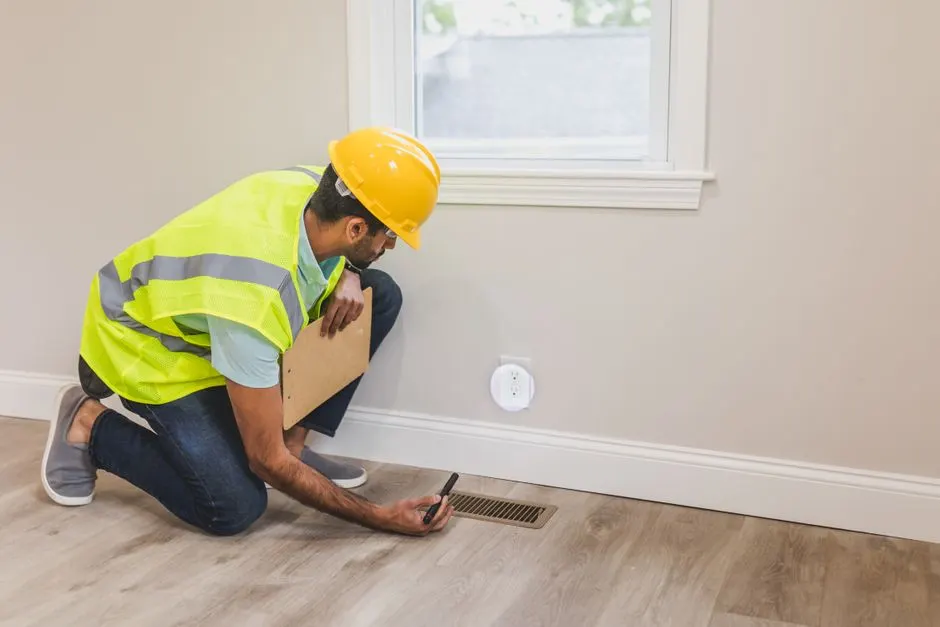 Mold Inspection Near MeA visual and moisture inspection pairs with spore testing to locate the source. We sweep with a thermal imaging camera and moisture meter, then sample the suspect areas so the inspection and the lab data tell the same story.Explore →
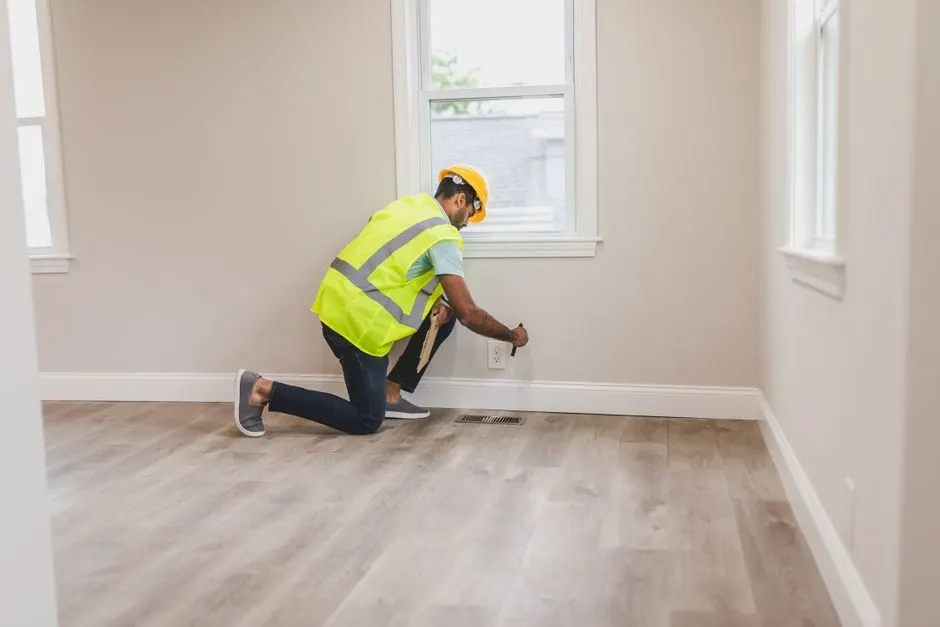 Mold InspectionOur standard mold inspection covers the attic, crawl space, bathrooms, and HVAC closet, and flags conditions that lead to growth. When we find something, spore testing confirms whether it's active and how far it has spread.Explore →
 Mold TestingMold testing is the broader category, covering air, surface, and bulk samples. Spore testing is the air and surface count that gives you a number. We run both under one visit so you're not scheduling two companies.Explore →
 Mold Testing Near MeIf you're searching for mold testing near me in NEWPORT COAST, we cover Pelican Crest, Crystal Cove, and the canyon neighborhoods with same-day scheduling. Samples go to an accredited lab and results come back in two to three days.Explore →
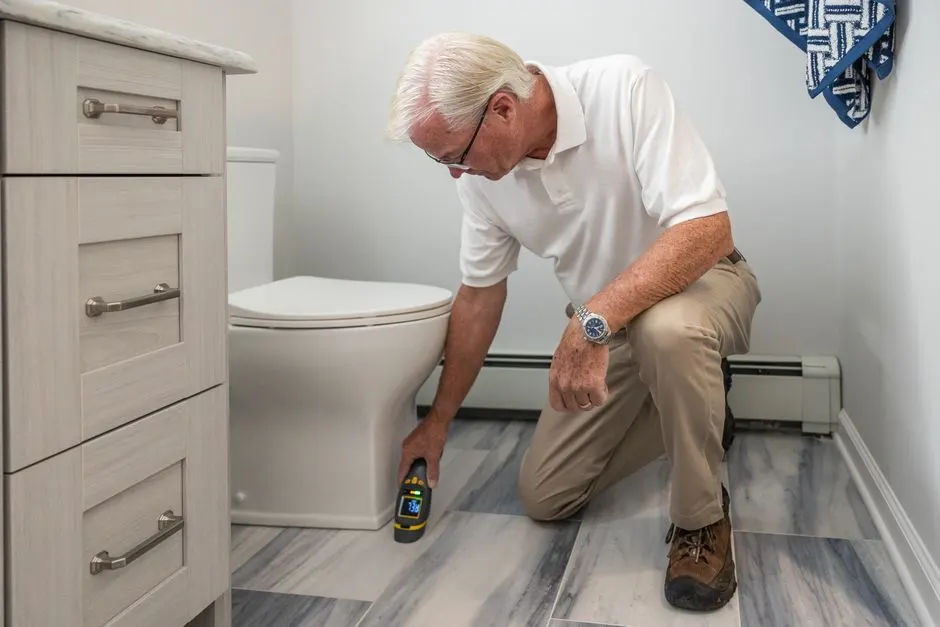 Certified Mold InspectorOur ACAC CMI and CMR certified inspectors run the sampling and interpret the results. That certification matters when a report needs to stand up to an insurance adjuster or a real estate contingency.Explore →
 Black Mold InspectionBlack mold growth visible on drywall or framing gets a targeted inspection and surface sampling. We identify the genus and check whether spores have spread to the air in adjacent rooms before recommending a scope.Explore →
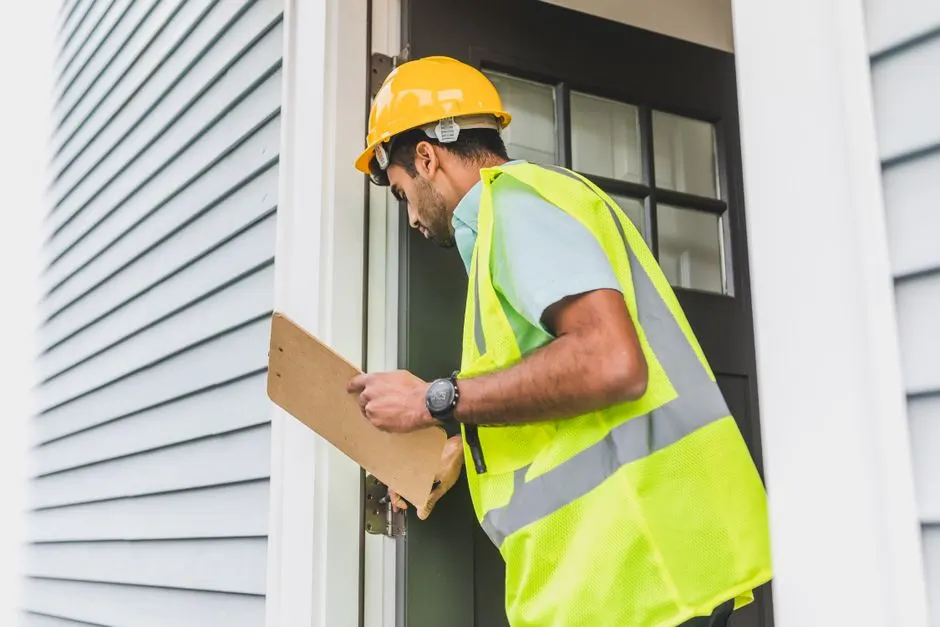 Home Mold InspectionA full home mold inspection covers every floor, the attic, and the crawl space, with spore sampling at the locations most likely to show a problem. It's the right starting point for a new purchase or a post-storm check.Explore →
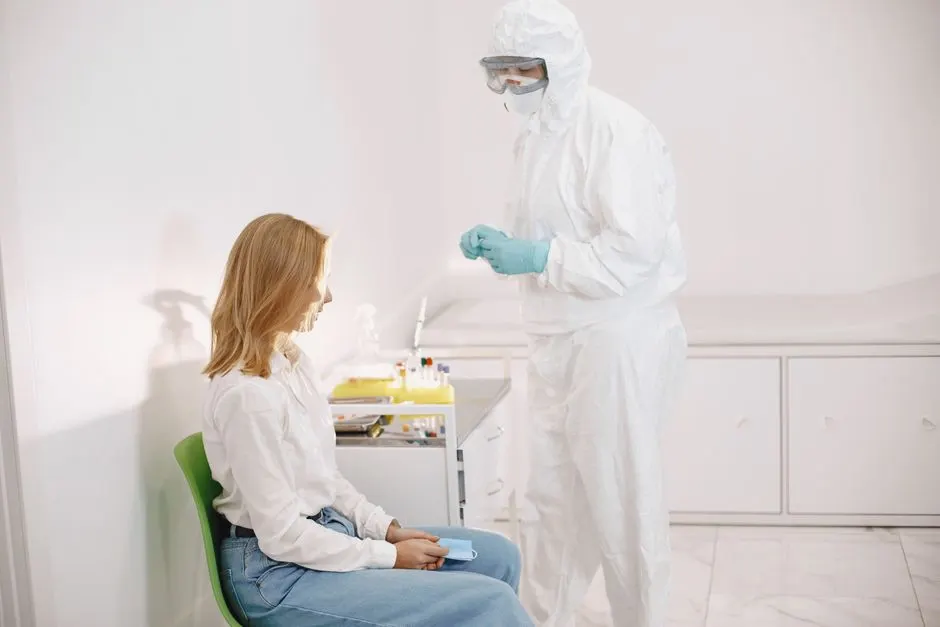 Residential Mold TestingResidential mold testing for single-family homes and townhomes includes air samples per floor plus an outdoor control. We schedule around your day and keep the equipment footprint small.Explore →
One call gets a calibrated sampling visit, an outdoor control, and a written lab report in two to three days. We're licensed, insured, and available 24/7 for water damage events. Call (833) 929-5837 and we'll get a pump on site.
Schedule Testing (833) 929-5837 →Call (833) 929-5837 any time, day or night. We answer live, schedule inspections same-day when possible, and send a written scope before work starts. If you prefer email, send photos of the affected area to info@moldremediationservicenewportcoast.com and we will follow up with next steps.