Musty odor with no visible growth
We run a boroscope camera through wall cavities and under stairs, then air sample to confirm genus and count. Once we locate the cavity, the fix is targeted rather than a full gut.
A basement mold inspection in NEWPORT COAST, California starts with the question most homeowners ask too late: where is the water coming from? We inspect the slab, rim joists, and vapor barrier, run basement mold testing NEWPORT COAST homeowners can read in plain English, and hand you a written scope the same day. If your basement smells musty after last winter's rain, call (833) 929-5837.
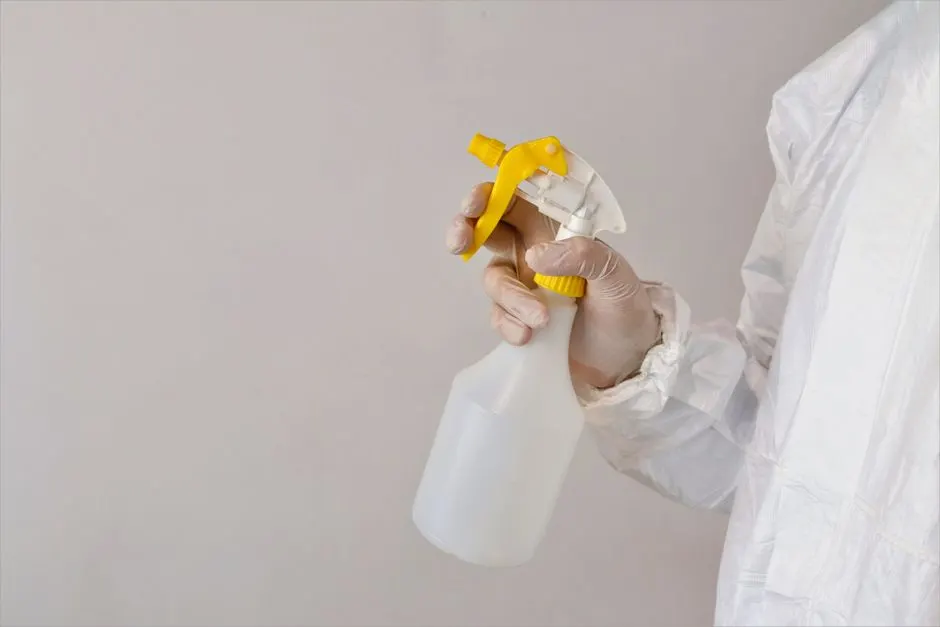
A basement mold inspection in NEWPORT COAST, California is a diagnostic service that locates active mold growth, traces it back to a moisture source, and documents the scope with photos, moisture readings, and lab results. We do not just look at the wall. We check the slab edge, the rim joist, the vapor barrier, and the HVAC penetrations where coastal humidity condenses first. Every inspection ends with a written report you can hand to an insurer, a buyer, or a remediation crew.
Basements in this part of California fail differently than most people expect. We are not fighting frozen pipes; we are fighting marine-layer humidity that sits against cool concrete and never dries. Add a slope that pushes irrigation runoff toward the foundation and you get black mold growth behind baseboard within one season. That is why we pair basement mold testing NEWPORT COAST wide with a full basement mold assessment NEWPORT COAST clients can use to prioritize repairs, and why a basement mold inspection after flooding NEWPORT COAST California properties saw last winter is the most requested call we run.
Every inspection covers the same core protocol, whether the basement is 400 square feet or 1,500. Lab fees and remediation are separate, and we tell you that on the phone so there are no surprises. Here is what is in the base price.
A thermal imaging camera maps temperature differentials across the slab, rim joist, and finished walls. Wet framing reads cooler than dry, so we see the moisture map before we see the mold.
Pin-type and pinless moisture meter readings at every suspect location, photographed and logged. You get the percent moisture content for each spot in the report.
A RIDGID borescope camera goes through small access holes to inspect behind finished drywall and under stairs. This is how we find growth that a visual walk-through would miss entirely.
Air sampling pump with spore traps plus tape lifts from visible growth, submitted to an accredited lab. Results in 48 to 72 hours with genus-level counts.
Photos, moisture data, lab results, and a plain-language scope with containment and clearance criteria. Formatted for insurance or resale if you need it that way.
We ask about the smell, any past flooding, the age of the vapor barrier, and whether anyone in the house has reacted. Five minutes on the phone lets us load the right gear. Same-day slots are usually open before 10 a.m.
We walk the perimeter with a thermal imaging camera and a RIDGID borescope camera to see behind finished walls and under stairs. Cool spots on the thermal read show up as wet framing long before mold is visible. Expect 45 to 60 minutes for this pass.
A pin-type and pinless moisture meter goes against the slab, rim joist, and any drywall. We record percent moisture content at each reading and photograph the meter face. Anything above 16 percent on wood framing gets flagged.
If growth is present or the odor is unexplained, we run an air sampling pump with spore traps and take tape lifts from suspect surfaces. Samples go to an accredited lab, and results land in 48 to 72 hours.
You get photos, moisture readings, lab results, and a plain-language scope with containment and clearance criteria. We walk you through it in person or by phone the same day. No pressure to book removal with us.
Purpose-built equipment, used by trained technicians — so the job is done accurately the first time.
Maps temperature differentials to reveal wet framing and slab moisture behind finished surfaces before mold is visible.
Records percent moisture content at the slab, rim joist, and drywall. Anything above 16 percent on wood gets flagged.
Inspects wall cavities and under-stair voids through small access holes without demolition.
Draws a known volume of air for lab analysis, giving genus-level spore counts per cubic meter.
Removes settled spores from surfaces during remediation without re-aerosolizing them.
Maintains negative pressure inside containment so spores cannot escape into living space.
Dries wet framing below 16 percent moisture before removal begins, so the job does not rebound.
A finished basement in Pelican Crest had a musty odor for two years. Two prior contractors quoted a full gut. Our thermal sweep found the actual source: a failed vapor barrier seam under the stairs, with rim joist moisture at 22 percent.
We removed 40 square feet of drywall, HEPA-vacuumed the cavity, applied an antimicrobial coating, and replaced the barrier section. Post-remediation air sampling came back below outdoor baseline. The smell was gone in seven days.
A winter storm pushed water through a basement door in Crystal Cove, and the carpet stayed wet for three days. Baseboard showed dark growth along 12 linear feet, and the air smelled musty throughout the lower level.
We set drying equipment first, brought framing below 16 percent in 48 hours, then removed the affected baseboard and drywall. Air sampling after remediation showed spore counts at outdoor baseline. Clearance passed on the first test.
A Newport Ridge home had damp baseboards and a musty smell every spring. The original 1994 vapor barrier had torn at the seams, and slab moisture readings were elevated across 300 square feet of finished floor.
We removed the affected flooring, replaced the vapor barrier with a new polyethylene liner, and applied an antimicrobial coating to the slab edge. Post-remediation testing confirmed clearance, and the baseboards have stayed dry through two rainy seasons.
Most basement mold calls start with a smell, a stain, or a buyer's inspection report. Here are the four we see most often and how we handle each.
Ask a pro →We run a boroscope camera through wall cavities and under stairs, then air sample to confirm genus and count. Once we locate the cavity, the fix is targeted rather than a full gut.
We map moisture at the slab edge, identify the exterior water path, and scope removal of affected drywall plus an antimicrobial coating on the framing. We also flag the exterior fix so it does not return.
We inspect the barrier through floor penetrations and moisture-map the slab. If the barrier has failed, we scope replacement with a new vapor barrier and encapsulation liner as part of the remediation.
We re-inspect, identify what was missed, and re-clean with HEPA vacuum and negative air before re-testing. We do not charge for a second clearance if our own work fails.
Most basement inspections here run $350 to $750 in 2026, and that includes thermal imaging, moisture mapping, and a written report. Add $150 to $300 if air sampling is needed. Larger basements with finished walls or multiple suspect areas land at the top of that range. We quote flat on the phone before we schedule.
Marine-layer humidity condensing on cool concrete is the usual cause, not a burst pipe. Warm moist air hits a 65-degree slab and the water has nowhere to go. Add irrigation runoff against the foundation or a failed vapor barrier and you get growth within one season. We trace it to the source before quoting anything.
We set containment with polyethylene sheeting and a negative air machine, HEPA-vacuum the surfaces, then treat with an antimicrobial coating or Concrobium depending on the substrate. Porous drywall gets cut out; framing gets sanded and encapsulated. Clearance testing confirms the spore count is back to outdoor baseline before we pull containment.
Yes. Every inspection includes pin-type and pinless moisture meter readings at the slab, rim joist, and any finished wall, and we photograph the meter face at each location. You get the percentages in the report. Thermal imaging is included too, so you see the wet map, not just the numbers.
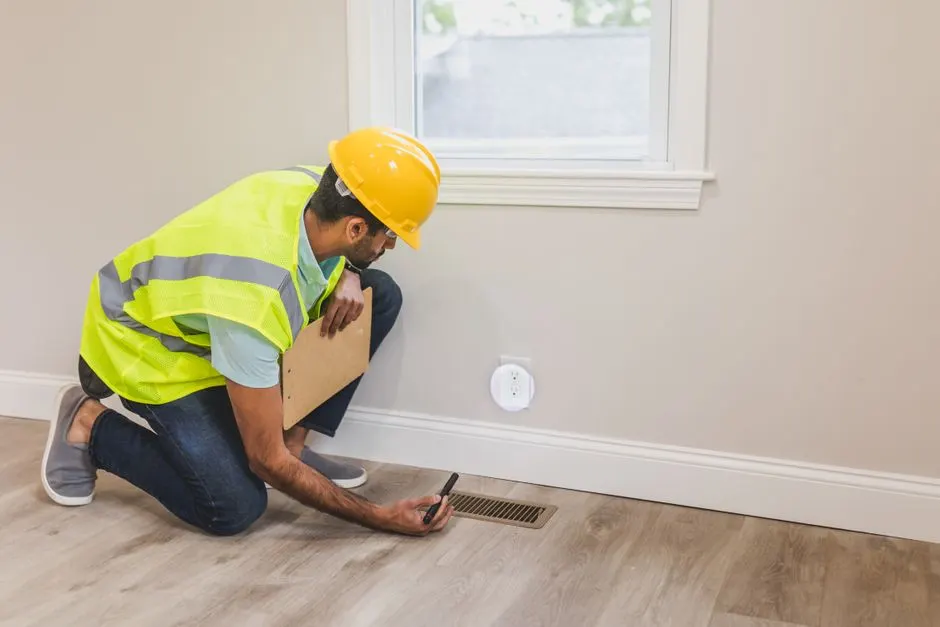 Mold Inspection Near MeIf you found us searching mold inspection near me, this is the general inspection that covers the whole house, not just the basement. We often pair it with a basement mold inspection in NEWPORT COAST, California when the smell is coming from below grade.Explore →
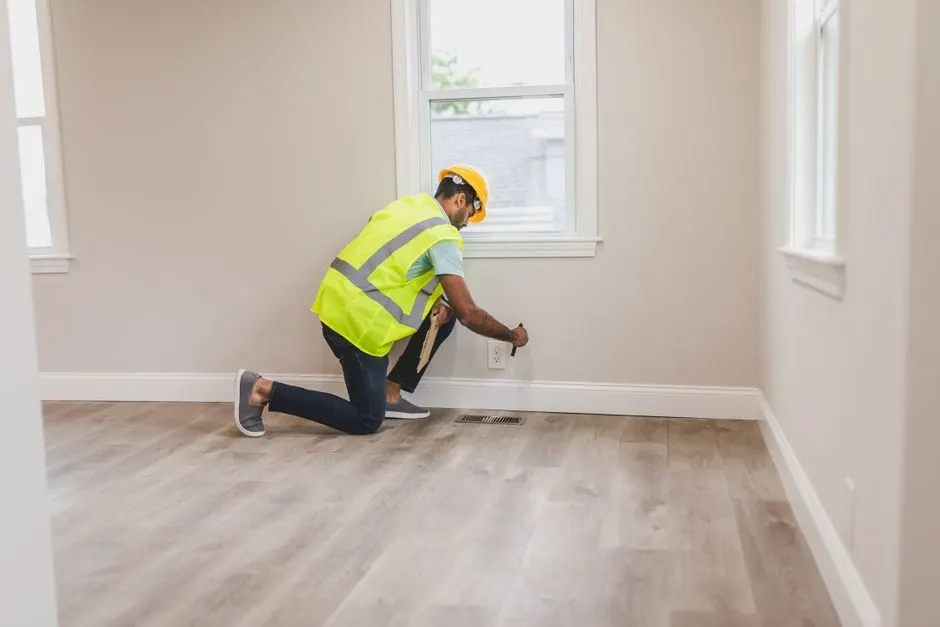 Mold InspectionA full-property mold inspection covers attic, crawl space, bathrooms, and HVAC. When the basement is the suspected source, we start there and expand outward. The report ties all findings into one scope.Explore →
 Mold TestingLab-based mold testing with air sampling pumps and spore traps gives you genus-level counts. We use it to confirm what the basement inspection found and to establish a baseline before remediation starts.Explore →
 Mold Testing Near MeSearching mold testing near me usually means you want results fast. We schedule same-day sampling in NEWPORT COAST and surrounding areas, with lab turnaround in 48 to 72 hours.Explore →
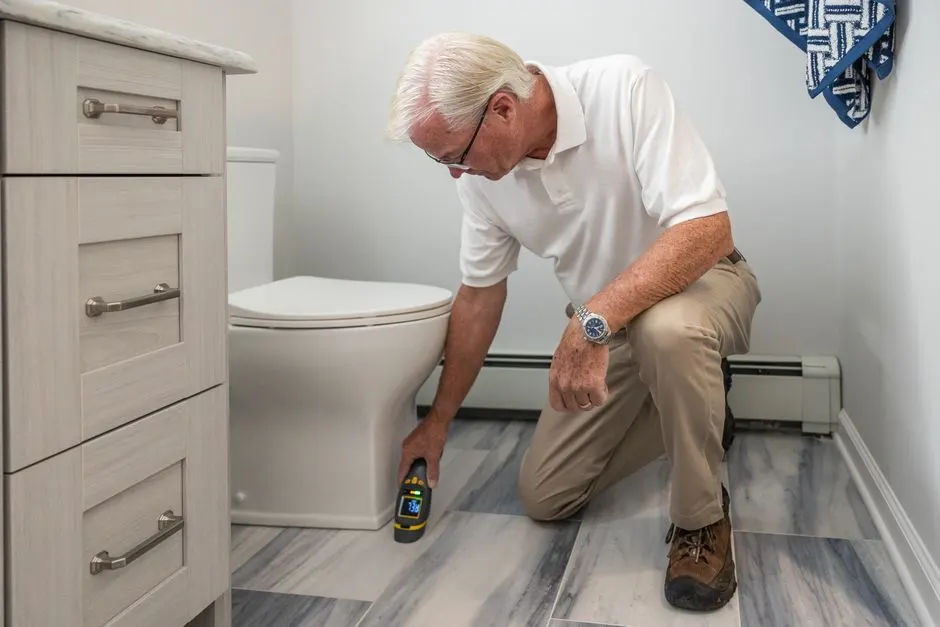 Certified Mold InspectorOur ACAC CMI-certified inspector writes the report you keep. That credential matters when a buyer, insurer, or attorney needs to rely on the findings from your basement mold assessment NEWPORT COAST property.Explore →
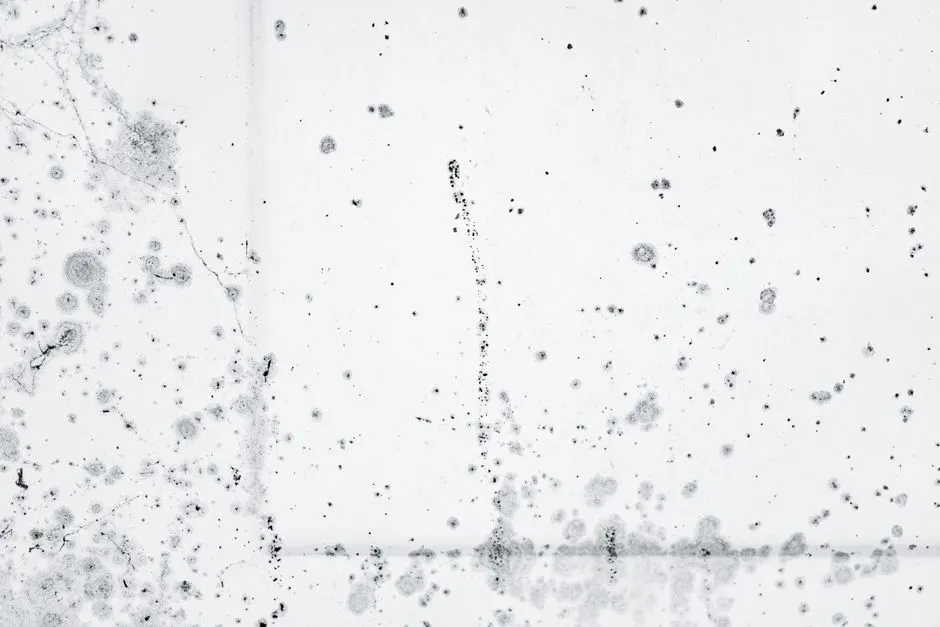 Black Mold InspectionDark growth on framing or drywall gets a targeted black mold inspection with tape lifts and air sampling. We confirm the genus before recommending removal, so you are not paying for remediation you do not need.Explore →
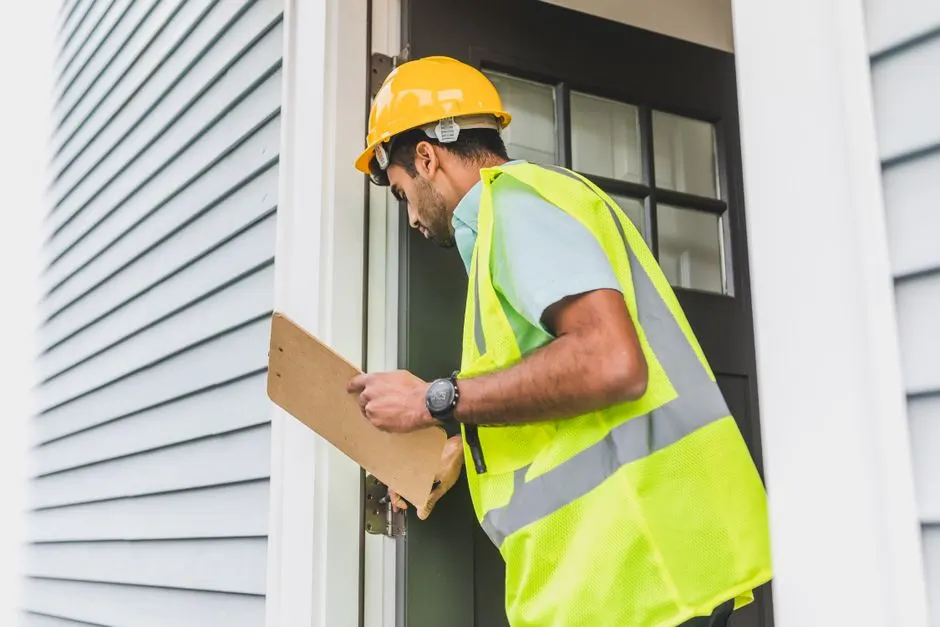 Home Mold InspectionA home mold inspection covers the whole envelope. When the basement is the source, we document how spores are migrating into living space through the stack effect and HVAC.Explore →
 Residential Mold TestingResidential mold testing for single-family homes includes air and surface samples plus a written interpretation. We use it before and after remediation to prove the job worked.Explore →
Same-day slots are usually open before 10 a.m., and you get written findings the day we inspect. Call (833) 929-5837 and tell us what the basement smells like. We will tell you what it takes to find out.
Schedule Inspection (833) 929-5837 →Call (833) 929-5837 any time, day or night. We answer live, schedule inspections same-day when possible, and send a written scope before work starts. If you prefer email, send photos of the affected area to info@moldremediationservicenewportcoast.com and we will follow up with next steps.